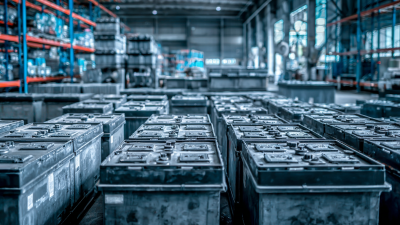
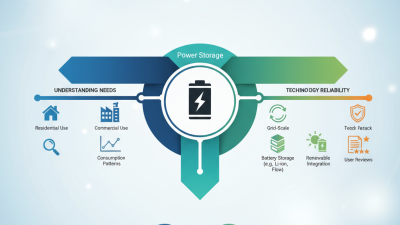
So, there's this exciting shift happening with sodium batteries replacing traditional lead-acid ones — it’s like a real game changer for energy storage. I recently came across a report from Bloomberg New Energy Finance, and it’s pretty astonishing: they predict that the demand for Sodium-Ion Batteries might hit around 2.3 GWh by 2025. That kind of growth shows just how much everyone’s craving more reliable and sustainable energy options these days. Experts in the field, like Dr. Emily Chen from Energy Solutions Inc., are pretty optimistic too. She mentioned, ‘Sodium batteries are a really promising alternative to the old-school lead-acid systems—they hit a sweet spot between being affordable and performing well.’
Compared to lead-acid batteries, these sodium powerhouse ones come with quite a few perks. For starters, they're a lot safer since they cut down on toxic materials—no more worrying about nasty leaks or hazards. Plus, they’re more efficient in all kinds of uses, whether we’re talking renewable energy storage or even powering electric cars. And from what the market data suggests, they tend to last longer, which makes users happier and helps cut down on costs over the long run. Of course, it’s not all smooth sailing—scaling up production and refining manufacturing processes still pose some challenges. But if those hurdles can be crossed, sodium batteries could really become mainstream.
As we move forward, pushing for greener energy storage options is only going to get stronger. Sodium batteries not only bring fresh innovation to the table, but they also make us think about how we’re currently producing and recycling batteries. Finding that balance between making them efficient and keeping environmental impact low is going to be super important if we want Battery tech to truly evolve for the better.
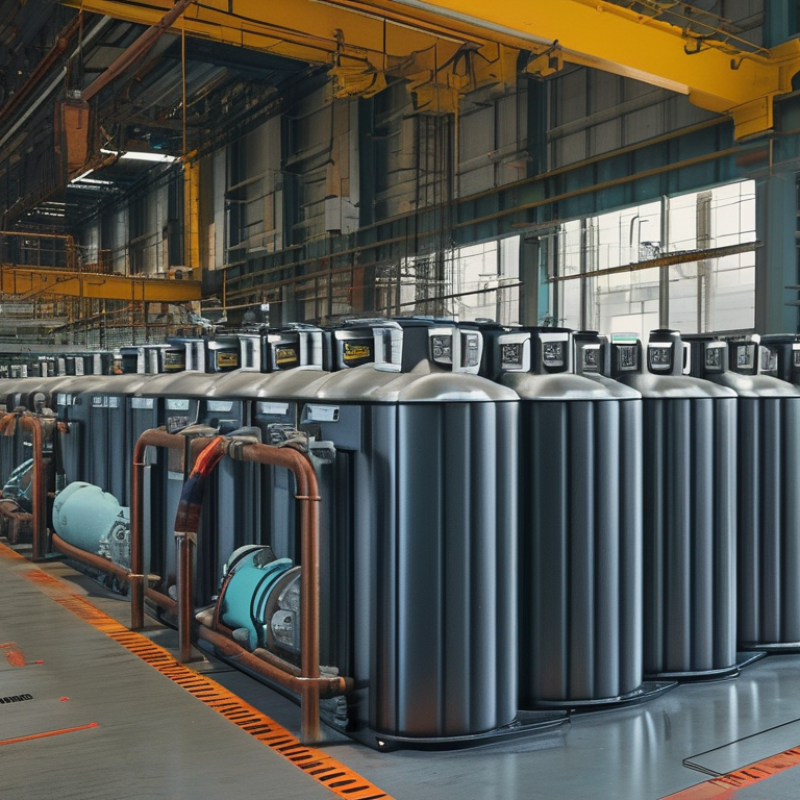
Overview of Lead Acid Replacement Sodium Batteries
Lead Acid Replacement Sodium Batteries are emerging as a strong alternative to traditional lead-acid batteries. These innovative batteries utilize sodium ions, which are abundant and cost-effective. They present a promising solution for sustainable energy storage, combining efficiency with lower environmental impact.
One key advantage of sodium batteries is their improved safety. They are less prone to combustion or leakage compared to their lead-acid counterparts. This could be vital for applications in electric vehicles and renewable energy systems, where safety is paramount. Additionally, the longer cycle life of these batteries can lead to lower replacement costs over time.
When considering sodium batteries, it’s essential to evaluate your specific requirements. Think about the storage capacity you need and how often you will use the battery. Do your research and consult experts to understand the best applications for your needs. Remember, not every solution is perfect. A careful assessment can help mitigate risks and enhance your battery performance.
Sodium batteries are still being studied, and advancements continue. Keep an eye on new developments as technology evolves. Engaging with publications and forums can provide insights into user experiences. Thoughtful exploration can reveal which features matter most.
Comparison Between Lead Acid and Sodium Batteries
Lead acid batteries have long been the standard for energy storage, but sodium batteries present compelling advantages. Sodium batteries are lighter and have a higher energy density than lead acid options. This leads to longer usage times between charges. Additionally, sodium is abundant and more environmentally friendly compared to lead.
When comparing the two, consider the lifespan. Sodium batteries typically outperform lead acid batteries in longevity. They also charge faster, which is a significant benefit for users needing quick power replenishment. The efficiency of sodium batteries makes them appealing for both residential and commercial applications.
It's important to note some downsides, though. Sodium battery technology is still developing. Some users may find that initial costs for sodium systems are higher. Research is ongoing to address these challenges.
One useful tip: If you are considering switching to sodium batteries, start with a small system to gauge performance. Testing in real conditions helps ensure the technology meets your needs. Another point to ponder is the compatibility with existing systems. Adaptation may require additional components or adjustments.
Key Advantages of Sodium Batteries in Energy Storage
Sodium batteries are making a significant impact in energy storage. One key advantage is their abundance. Sodium is widely available and less expensive than lithium. This opens up opportunities for large-scale production. The sourcing process may yield less environmental impact.
Another benefit is the improved safety profile. Sodium batteries have a lower risk of thermal runaway compared to their lithium counterparts. This characteristic makes them suitable for various applications, from residential systems to industrial setups. As manufacturers refine the technology, efficiency continues to climb. Storage capacity is increasing, providing even more value for energy consumers.
Performance in diverse temperatures is also worth noting. Sodium batteries function well in both hot and cold climates. They demonstrate resilience in extreme conditions. However, some limitations persist. Charging times can be longer than expected, which calls for advancements in technology. Embracing these challenges can further enhance the role of sodium batteries in the energy market.
Top 10 Benefits of Lead Acid Replacement Sodium Batteries
This chart illustrates the top 10 benefits of using sodium batteries as replacements for lead-acid batteries, highlighting their advantages in various aspects from cost efficiency to environmental friendliness.
Longer Lifespan: How Sodium Batteries Outlast Lead Acid
Sodium batteries are gaining attention for their longer lifespan compared to traditional lead-acid batteries. Studies show that sodium batteries can last up to 10 years, while lead-acid batteries typically last around 3 to 5 years. This extended longevity is attributed to the chemical stability of sodium, which enhances the overall efficiency and performance of the battery.
The durability of sodium batteries can significantly reduce replacement costs over time. A report from the International Energy Agency indicates that the longevity of sodium batteries could save users between 15% to 20% in lifecycle costs compared to lead-acid alternatives. Additionally, sodium batteries can withstand more charge-discharge cycles. Some research suggests they can endure up to 3,000 cycles, compared to 1,500 for lead-acid batteries. This resilience leads to less frequent replacements, minimizing waste and environmental impact.
Despite their advantages, sodium batteries are still evolving. There is ongoing research to address their performance in extreme temperatures and high-demand applications. While users can anticipate greater efficiency, early adopters might face challenges in finding suitable applications. The balance of benefits and potential drawbacks invites deeper scrutiny and continued development within this promising technology.
Environmental Benefits of Using Sodium Batteries
Sodium batteries present a promising alternative to traditional lead-acid batteries. Their impact on the environment is significant. Sodium, abundantly available and less toxic than lead, reduces the risk of pollution. Industry reports indicate that sodium batteries can lead to a 30% decrease in overall carbon emissions during production compared to their lead-acid counterparts.
One major benefit lies in their recycling potential. While lead-acid batteries necessitate complex recovery processes, sodium batteries can be repurposed more easily. Studies show that recycling efficiency for sodium-ion technologies could reach up to 90%. This manageable end-of-life scenario minimizes landfill contributions and conserves raw materials.
Transitioning to sodium batteries also fosters sustainability in energy storage. These batteries show higher energy density and longer lifecycle attributes. Current research indicates that sodium batteries can last 2-3 times longer than lead-acid ones. However, challenges remain, such as cost and energy efficiency. Ongoing studies will help identify solutions to improve performance and lower manufacturing expenses.
Top 10 Benefits of Lead Acid Replacement Sodium Batteries
| Benefit | Description | Environmental Impact |
| Recyclability | Sodium batteries can be recycled with high efficiency, reducing landfill waste. | Minimizes environmental pollution and conserves resources. |
| Sustainability | Sodium is abundant and widely available, ensuring long-term supply. | Supports sustainable energy solutions. |
| Lower Toxicity | Contain fewer hazardous materials compared to lead-acid batteries. | Reduced risk of soil and water contamination. |
| Energy Density | Higher energy density allows for smaller and lighter battery designs. | Reduces energy storage size and materials used. |
| Cost-Effectiveness | Lower production costs compared to conventional batteries. | Encourages widespread adoption of clean technologies. |
| Improved Performance | Better cycle life and stability under various conditions. | Enhances reliability of renewable energy systems. |
| Fast Charging | Can achieve faster charging times, improving efficiency. | Reduces downtime and enhances usability of services. |
| Wide Temperature Range | Stable performance across various temperatures. | Offers flexibility in diverse environmental conditions. |
| Lower Carbon Footprint | Reduced greenhouse gas emissions during production. | Contributes to climate change mitigation efforts. |
| Enhanced Safety | Lower risk of fire or explosion compared to lead-acid batteries. | Improves safety for consumers and the environment. |
Cost-Effectiveness of Sodium Batteries Over Time
The cost-effectiveness of sodium batteries presents a compelling advantage in the energy storage market. With the increasing demand for renewable energy solutions, sodium batteries offer a more affordable option compared to traditional lead-acid batteries. Data indicates that sodium batteries can reduce lifecycle costs by 20-30% due to lower material expenses and improved longevity. Unlike lead-acid batteries, which typically last about 3-5 years, sodium batteries can function effectively for over a decade.
Additionally, sodium is more abundant and less expensive than lead, making the raw material costs significantly lower. Reports suggest that the global sodium battery market could grow by 17% annually through 2025. This growth will likely lead to economies of scale, further driving down prices. The energy density of sodium batteries is also improving, although it's currently lower than lithium-ion options. This dynamic shows potential for advancements in efficiency, but also raises questions about real-world applications and their performance in extreme conditions.
Transitioning to sodium batteries may not be an immediate fix for all energy storage needs. Some challenges remain, such as energy density limits and overall efficiency compared to lithium-ion solutions. The industry must address these hurdles to further solidify sodium batteries as a reliable choice for consumers and businesses. As technology evolves, awareness of the cost-effectiveness and reliability of sodium batteries continues to grow.
Applications: Where Sodium Batteries Shine in Modern Use
Sodium batteries are gaining attention in various modern applications due to their unique advantages. One major area where they excel is renewable energy storage. Their ability to withstand fluctuations makes them ideal for capturing solar and wind energy. These batteries can maintain performance even in extreme conditions, offering reliability for solar farms and wind turbines.
In the transportation sector, sodium batteries show promise for electric vehicles. They can provide longer life cycles compared to lead-acid options, while also being less expensive to produce. This makes them a potential game-changer in the push for sustainable transport solutions. However, the technology still faces challenges in terms of energy density and charging speed.
Grid storage is another critical application. Sodium batteries can help stabilize energy supplies and reduce dependence on fossil fuels. By efficiently storing excess energy, they can improve grid resilience. Despite their benefits, there are questions about their scalability and overall efficiency. Ongoing research aims to address these gaps and enhance the practicality of sodium battery technology in everyday use.
FAQS
: Sodium batteries are abundant, cost-effective, and safety-oriented, with lower combustion risk than lead-acid batteries.
They function well in both hot and cold climates, demonstrating resilience in extreme conditions.
Evaluate your storage capacity needs and usage frequency. Consulting experts can help tailor choices to your needs.
Sodium batteries have a lower risk of thermal runaway, making them safer for various applications, including renewable energy.
Charging times can be longer than expected, and questions about scalability and energy density still exist.
They excel in renewable energy storage, electric vehicles, and grid stabilization, capturing energy from fluctuations effectively.
The sourcing of sodium is less harmful than lithium, offering a more sustainable production option for energy storage solutions.
Their longer cycle life can result in lower replacement costs over time, making them a cost-effective energy solution.
Engage with publications and forums to learn about ongoing research and user experiences in sodium battery technology.
Not every solution is perfect. Careful evaluation can help maximize performance while addressing existing limitations.
Conclusion
Lead-Acid Replacement Sodium Batteries represent a significant advancement in energy storage technology, offering numerous advantages over traditional lead-acid batteries. These innovative batteries provide a longer lifespan, ensuring more prolonged usage without frequent replacements. The environmental benefits are also noteworthy, as they reduce harmful waste and resource depletion associated with lead-acid batteries.
Moreover, Lead-Acid Replacement Sodium Batteries prove to be cost-effective in the long run, as their durability translates to lower overall maintenance and replacement costs. They are particularly effective in various modern applications, from renewable energy systems to electric vehicles, where efficient and sustainable energy storage is crucial. Overall, the shift towards sodium batteries marks a progressive step towards a cleaner and more efficient energy future.