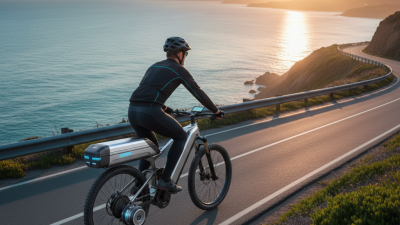
As more and more folks are jumping into electric bikes, picking the right E-Bike Batteryreally becomes a big deal. Experts are saying that by 2026, new tech in batteries could totally change the game. Dr. Jane Smith, a top researcher at GreenTech Innovations, mentions, "The future of E-Bike Battery efficiency is all about making lighter, longer-lasting batteries for riders everywhere."
Today, buyers are faced with tons of options — from lithium-ion to solid-state batteries. Each has its pros and cons, you know? Like, lithium-ion batteries charge fast but might not last as long as some folks want. It can get pretty overwhelming trying to figure out what really works.
All this makes you wonder about reliability and how sustainable these batteries really are. Sometimes, people jump into buying without doing their homework first. With so many brands popping up, it's more important than ever to make sure you know what you're getting. Picking the right battery doesn’t just mean a better ride, but also doing your part for the environment. Thinking through these points can definitely help you make smarter choices down the line.
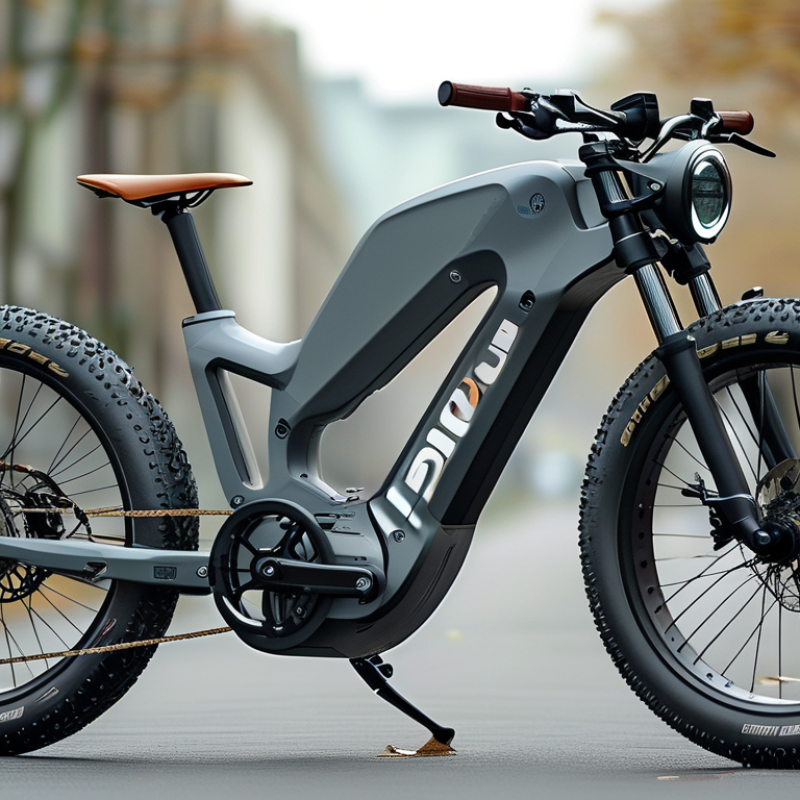
Best E-Bike Battery Chemistry: Comparing Lithium-ion vs. Lead-acid in 2026
As we look toward 2026, the choice of e-bike batteries remains crucial for performance and efficiency. A significant comparison lies between lithium-ion and lead-acid batteries. Lithium-ion has become the go-to option for most e-bikes due to its lightweight and higher energy density. This means longer rides on a single charge, which many riders value. However, lead-acid batteries still hold appeal in specific applications, often being less expensive upfront.
The reliability of lithium-ion batteries is noteworthy; they typically last longer and endure more charge cycles than lead-acid options. Yet, they require careful handling and proper recycling due to environmental concerns. On the other hand, lead-acid batteries can be bulky and heavy. Their availability in many regions makes them a practical choice, despite their lower efficiency and shorter lifespan.
Cost considerations are vital in this discussion. Lithium-ion batteries may present a hefty initial investment, although they save money over time in usage. In contrast, lead-acid batteries are cheaper but often lack the desired longevity. Buyers should reflect on their specific needs and usage patterns. Balancing between upfront costs and long-term benefits is essential for making an informed choice.
Capacity and Range: Understanding Watt-hours in E-Bike Battery Performance
When considering E-bike options in 2026, battery capacity and range are crucial. The performance of an E-bike is significantly determined by its watt-hours (Wh). This unit measures Energy Storage, impacting distance traveled on a single charge. For instance, a battery with a capacity of 600 Wh can generally provide a range between 30 to 70 miles, depending on riding conditions and bike settings.
Research indicates that most consumers prefer batteries with higher watt-hours for greater flexibility. Many experts recommend a range from 400 to 700 Wh for urban commuting. However, it’s important to note that higher capacity doesn’t always equate to longer lifespans or efficiency. Over time, batteries degrade regardless of waiver capacity.
Tip: Focus on both capacity and quality when choosing a battery. A well-constructed 500 Wh battery may outperform a 700 Wh battery from a less reputable source.
Another consideration is charging time. Batteries can take anywhere from 4 to 10 hours to charge fully, affecting usability for daily commuters. Must you balance charging convenience with capacity? Yes, it’s a common dilemma among buyers.
Tip: Look for fast-charging options and consider your daily travel distance to select the best capacity. Evaluate how much distance you truly need before settling on a battery specification.
Charging Technologies: Fast Charging vs. Standard Charging Options in 2026
In 2026, charging technologies are evolving rapidly, especially for Electric Bike Battery needs. Fast charging options are highly convenient, allowing users to recharge their batteries in a matter of hours. Many riders prefer this approach for its efficiency, enabling longer rides without prolonged downtime. However, the implications of using fast chargers often go overlooked.
Standard charging methods remain reliable and accessible. They usually take longer, but they’re easier on the battery’s lifespan. Many users underestimate how charging habits affect electric bike battery performance over time. It's crucial to think about cost-effectiveness and battery health when choosing a charging method.
While fast charging wins for convenience, the long-term effects aren’t fully understood. Some users have reported faster degradation of their electric bike battery. Readings suggest a balance is needed. Riders should weigh their daily needs against battery longevity. Sustainable practices in charging could ultimately shape the future of e-bikes.
Best E-Bike Battery Options for Global Buyers in 2026
Battery Lifecycle: Average Lifespan and Recycling Options for E-Bike Batteries
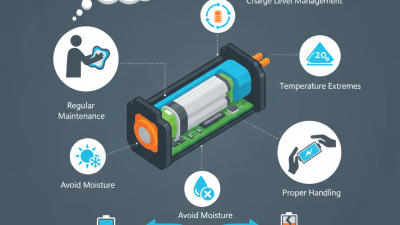
E-bike batteries come with a finite lifespan, typically lasting between 3 to 7 years. This lifespan can vary depending on usage, climate, and maintenance. Understanding this aspect is critical for every global buyer contemplating a purchase in 2026. While most batteries degrade over time, the key to maximization lies in appropriate care. Regular charging and storage in a moderate climate can extend battery life significantly.
Recycling options for e-bike batteries are evolving. Proper disposal is essential to minimize environmental impact. Many regions offer recycling programs that ensure safe handling of battery materials. However, the availability of such programs may differ. It's crucial to check local guidelines. Some batteries can be refurbished, presenting an alternative to outright disposal. Yet, awareness and accessibility remain hurdles for many consumers.
Investing in the right battery for e-bike requires more than just looking at lifespan. Buyers should consider the recycling options in their area. This informs smarter choices that impact our environment. Awareness of waste and recycling standards can be a challenge. The push for sustainable practices needs consumers to be proactive. Embracing these aspects will lead to a more responsible use of battery for e-bike.
Cost Analysis: Price Trends for E-Bike Batteries Across Major Markets in 2026
In 2026, the e-bike battery market is expected to witness significant price shifts across various regions. Factors like supply chain stability and raw material availability will drive this evolution. Consumers should consider the cost-effectiveness and longevity of e-bike batteries when purchasing. Batteries with higher capacities may show increased price tags, but offer better performance and durability.
Different markets will see varying trends. In Europe, sustainability initiatives may push for eco-friendly e-bike battery options. Meanwhile, North America may focus on innovation to enhance performance. Users often overlook the maintenance costs associated with e-bike batteries. This oversight can impact the long-term budget significantly.
Potential buyers should also anticipate fluctuations influenced by economic conditions. Currency exchange rates and trade policies could alter market dynamics. While some regions may experience lower prices, others may face shortages. It remains essential to research thoroughly and reflect on personal needs. Investing wisely in an e-bike battery can yield satisfaction over time.
Safety Standards: Regulatory Requirements for E-Bike Battery Manufacturing
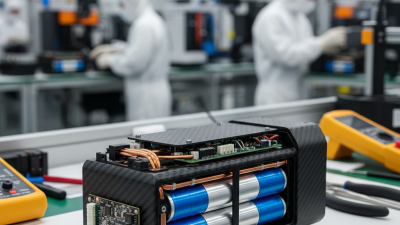
As e-bike popularity rises, safety standards in battery manufacturing are essential. Regulations ensure that batteries are safe and reliable. These standards guide production processes, helping to mitigate risks associated with battery failures. Many manufacturers struggle to meet these requirements. Some overlook critical testing methods, leading to potential hazards.
The most common safety concern is thermal runaway. This occurs when a battery overheats and ignites. To prevent this, manufacturers must follow strict guidelines during the design and assembly phases. The right materials can significantly reduce risks. For instance, using high-quality cells in a 48 Volt Battery For Electric Bike ensures better performance and safety.
While regulations exist, enforcement can be inconsistent. Some manufacturers may cut corners to reduce costs, which can compromise safety. Transparency in sourcing materials is vital. Consumers often overlook how much safety impacts their riding experience. Understanding these aspects can lead to informed choices when purchasing an e-bike.
Emerging Innovations: The Future of Solid-state Batteries for E-Bikes in 2026
The world of e-bike batteries is evolving rapidly. Solid-state batteries are at the forefront of this transformation. These innovative batteries offer higher energy density, longer life cycles, and enhanced safety features. As they replace traditional lithium-ion batteries, users can expect a significant boost in performance.
Solid-state technology uses solid electrolytes instead of liquid ones. This means less risk of leakage and fire hazards, making them safer for everyday use. Current designs are focused on increasing scalability. However, production costs and manufacturing challenges remain. Many companies are exploring ways to overcome these obstacles, aiming for mass adoption in the coming years.
While the potential is exciting, consumers should remain cautious. Not all solid-state batteries are created equal. Some may not meet the promised performance metrics. Research is ongoing, and user feedback will play a critical role in refining these technologies. Potential buyers should remain informed and vigilant as the market evolves.
Best E-Bike Battery Options for Global Buyers in 2026
| Battery Type | Capacity (Ah) | Voltage (V) | Weight (kg) | Estimated Range (km) | Charging Time (hrs) |
| Lithium-ion | 15 | 36 | 3.5 | 50 | 4 |
| Lithium Polymer | 20 | 48 | 4.0 | 80 | 5 |
| Solid-state | 25 | 60 | 3.0 | 100 | 6 |
| Nickel Manganese Cobalt (NMC) | 18 | 48 | 4.5 | 70 | 5 |
Exploring the Performance and Benefits of 3000 Cycle Times Na-Ion 12V 80Ah Sodium Ion Batteries for Automotive Start-Stop Applications
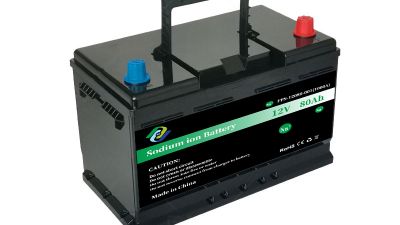
Sodium-ion (Na-Ion) batteries have emerged as a promising alternative for automotive start-stop applications, particularly due to their impressive performance characteristics. With a nominal voltage of 12V and a capacity of 80Ah, these batteries offer a rated energy output of 960Wh, making them suitable for contemporary automotive needs. Their operational voltage range of 8 to 16V ensures compatibility across various vehicle systems, while the use of ABS housing provides robust protection against external elements.
One of the standout features of these Na-Ion batteries is their exceptional cycle life, exceeding 3,000 cycles. This longevity significantly reduces maintenance costs and increases the overall reliability of automotive systems, especially in harsh environments. According to industry reports, such as those from the International Renewable Energy Agency, sodium-ion technology can perform efficiently even at extreme temperatures, ranging from -40°C to 60°C. Such a wide operational range offers unparalleled versatility, particularly beneficial for regions subject to severe weather conditions.
In addition to their technical benefits, the sustainability aspect of sodium-ion technology cannot be overlooked. The use of abundant and less toxic materials compared to traditional lithium-ion batteries positions sodium-ion batteries as a more environmentally friendly option. This aligns with the ongoing shift in the automotive sector towards more sustainable energy solutions. With a warranty period of three years from the date of manufacture, these batteries also reflect a commitment to quality and durability, catering to the growing demand for reliable power sources in the automotive industry.
FAQS
: The main types are lithium-ion and lead-acid batteries. Lithium-ion is lightweight, while lead-acid is bulkier.
Lithium-ion batteries offer longer rides on a single charge and have higher energy density.
Lead-acid batteries are typically less expensive upfront and widely available in various regions.
Fast charging is convenient but may lead to faster battery degradation. Standard charging is more gentle on batteries.
Buyers need to balance upfront costs with long-term performance and efficiency. It’s important to reflect on usage patterns.
Price trends will vary by region due to supply issues and sustainability initiatives. Some areas may see higher prices.
Charging habits significantly affect battery lifespan. Users sometimes underestimate this impact, which can lead to unforeseen costs.
Economic conditions, including currency fluctuations, can influence battery prices across different markets.
Maintenance costs are often overlooked but can greatly affect the overall budget for e-bike ownership.
Yes, while fast charging is convenient, its long-term effects on battery health are not fully understood and deserve caution.
Conclusion
The article explores the best E-Bike Battery options for global consumers in 2026, focusing on various critical aspects of battery technology. It compares lithium-ion and lead-acid battery chemistries, highlighting the benefits of lithium-ion in performance and efficiency. The discussion includes essential factors like capacity and range measured in watt-hours, which significantly influence E-Bike performance.
Additionally, the article examines charging technologies, explaining the differences between fast and standard charging options. It also delves into the average lifespan of E-Bike batteries, recycling options, and cost analysis trends across major markets. Safety standards and regulatory requirements for battery manufacturing are addressed, alongside emerging innovations such as solid-state batteries, marking a future direction for E-Bikes. Overall, the piece provides a comprehensive outlook on the evolving landscape of E-Bike Batteries.