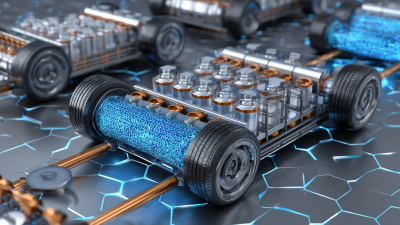
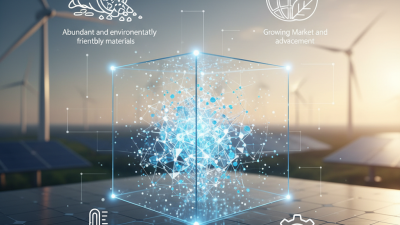
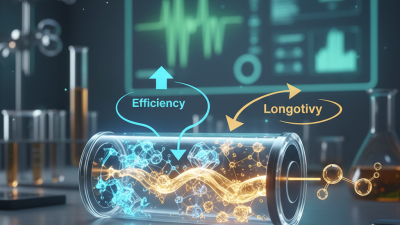
As we move toward more eco-friendly energy options, Sodium-Ion Batteries have really started gaining some traction as a solid alternative. They actually come with some pretty cool perks compared to your usual lithium-ion setups, especially when it comes to cost and how easy it is to get the raw materials. A bunch of companies like Faradion and Natron Energy are putting money into this tech because they see the growing demand for sustainable battery options.
If you're looking at a 12V Sodium Battery, though, it’s a good idea to think about what exactly you need it for. For example, if you're hunting for a 12V starting battery for your car, make sure it can handle the power requirements. Not all 12V start-stop batteries are created equal—performance can vary quite a bit depending on conditions. On the flip side, a 12V sodium-ion battery could be a pretty awesome pick for renewable projects, thanks to its longer lifespan and less environmental fuss.
That said, don’t just buy into brand hype without digging a little deeper. Do some research—look for independent reviews and those real-world performance tests. Honestly, figuring out what matters most to you—cost, efficiency, sustainability—will really help point you in the right direction. In the end, making smart, informed choices will get you a reliable energy source you can count on.
Understanding the Basics of Sodium-Ion Batteries and Their Benefits
Sodium-Ion Batteries are gaining attention for their unique benefits. They use sodium, a more abundant material than lithium, making them environmentally friendly. This abundance can lead to cost savings in the long run. The energy density of Sodium Ion Na Ion Batteries has improved significantly, making them suitable for various applications. They are a promising alternative for energy storage.
When choosing a Sodium-Ion battery, consider your specific needs. Capacity, cycle life, and charging speed are important. Some users may prioritize a longer lifespan over quick charging. Other users might require immediate energy output for specific tasks. Understanding these aspects helps in selecting a suitable battery that aligns with your requirements.
Battery technology is complex. Awareness of the battery's limitations is crucial. For instance, Sodium Ion Na Ion Batteries might not perform well in extreme temperatures. Regular maintenance and proper usage are necessary to ensure optimal performance. Users must be willing to adapt their expectations based on these factors. Making an informed decision involves considering both the advantages and challenges of these batteries.
How to Choose the Best Sodium-Ion Battery for Your Needs?
| Feature | Description | Benefits | Considerations |
| Energy Density | Sodium-ion batteries typically offer lower energy density compared to lithium-ion batteries. | More cost-effective and abundant materials. | Limited range for high energy applications. |
| Charging Speed | Can support fast charging, often comparable to lithium technologies. | Reduced downtime for devices. | Potential heat management issues during rapid charging. |
| Cycle Life | Lifecycle can reach several thousand cycles with minimal degradation. | Long-lasting performance in various applications. | Requires optimal conditions for maximum longevity. |
| Environmental Impact | More sustainable sourcing of sodium compared to lithium. | Reduced dependence on rare materials. | Recycling processes are still being developed. |
| Cost | Generally lower cost than lithium-ion solutions due to material availability. | Lower overall investment for large-scale applications. | Performance trade-offs may affect selection for high-end use cases. |
Key Performance Metrics: Energy Density, Cycle Life, and Efficiency
When selecting a sodium-ion battery, it's crucial to consider key performance metrics. Energy density is a primary factor. It indicates how much energy a battery can store relative to its weight. Higher energy density means a longer runtime for devices. However, achieving this requires advanced materials and innovative designs in each Sodium Ion Battery Cell.
Cycle life is another vital metric. It measures how many charge and discharge cycles a battery can endure before its capacity significantly reduces. A battery with a longer cycle life provides more reliability over time. You may find some claims misleading, as real-world performance often falls short of expectations.
Efficiency is equally important. This refers to how well the battery converts stored energy into usable power. High efficiency equals less energy waste. As you explore options, observe how these metrics align with your specific needs. A balance among them can ensure you select the right sodium-ion battery for your application. Remember, even the best options may not fully meet your expectations, and ongoing research continues to evolve this technology.
Comparing Sodium-Ion with Lithium-Ion Batteries: A Technical Perspective
When comparing sodium-ion batteries to lithium-ion batteries, it's essential to understand key differences. Sodium-ion batteries utilize abundant sodium resources, making them more sustainable in the long run. This could be beneficial as global demands for battery materials increase. However, sodium-ion technology is still catching up in terms of energy density and performance.
Tips: Consider your specific energy needs. If you require high capacity and efficiency, lithium-ion may still be the way to go. However, for applications with less stringent requirements, sodium-ion could serve as a cost-effective alternative.
Sodium also presents challenges. Its larger ionic radius can affect conductivity and efficiency. These factors can lead to slower charge times and reduced overall performance. Evaluating the intended application is crucial. In some scenarios, these drawbacks may not be significant.
Tips: Examine the longevity of the battery under your expected usage patterns. Sodium-ion batteries may offer longer life cycles in less demanding environments. However, assess whether their limitations could impact your specific use case. Investing in the right technology is vital for optimal performance.
Comparison of Sodium-Ion and Lithium-Ion Battery Performance
Cost Analysis: Evaluating the Affordability of Sodium-Ion Options
When evaluating the affordability of sodium-ion options, it's essential to consider various factors. The initial purchase price is important, but so are long-term costs. A sodium-ion battery pack may appear cheaper upfront, but its lifespan and performance can affect overall value. Understanding the total cost of ownership helps in making the right choice.
Tips: Look beyond the sticker price. Research the warranty conditions and replacement costs. A longer-lasting battery could save money in the long run. Compare the efficiency rates of different sodium-ion systems. An efficient system may provide better returns over time.
Another aspect to think about is available incentives. Some regions offer financial assistance for adopting newer battery technologies. Check local regulations and see if any programs are available. Sodium-ion technology is still evolving, and its pricing may change significantly in the future.
Keeping these factors in mind helps you stay informed and make a solid decision. Balancing immediate costs with potential savings is crucial. Ultimately, investing in a sodium-ion battery pack that meets your needs could be a wise financial choice.
Identifying Applications: Where Sodium-Ion Batteries Excel
Sodium-ion batteries are gaining attention in various applications. They shine in situations where cost-effectiveness is crucial. These batteries can be cheaper to produce than lithium-ion alternatives. This makes them suitable for large-scale energy storage in renewable energy systems. In regions with abundant solar or wind resources, sodium-ion batteries can store energy generated from these sources.
The power grid also benefits from sodium-ion technology. They offer reliable energy storage over extended periods. Utilities can use them to balance supply and demand effectively. However, their performance in extreme temperatures needs further improvement. More research is necessary to address this aspect.
In the electric vehicle market, sodium-ion batteries are emerging. They could be a viable option for budget-friendly models. Vehicles designed with these batteries can reduce costs while maintaining decent performance. Nevertheless, concerns about energy density persist. Users should evaluate whether the current technology meets their specific requirements. Sodium-ion batteries provide exciting possibilities, yet challenges remain in optimizing their use.
Environmental Impact: Sustainability of Sodium-Ion Battery Production
The environmental impact of sodium-ion batteries is a crucial factor to consider. Unlike traditional lithium-ion batteries, sodium-ion batteries use more abundant materials. Sodium is plentiful and extracted with less environmental harm. This availability could lead to sustainable battery production, reducing reliance on scarce resources.
Production methods play a significant role in sustainability. The energy needed for manufacturing sodium-ion batteries is generally lower. However, this doesn't mean it is completely sustainable. The sourcing of materials still raises concerns about ecosystem degradation. Responsible mining practices are essential to minimize these impacts.
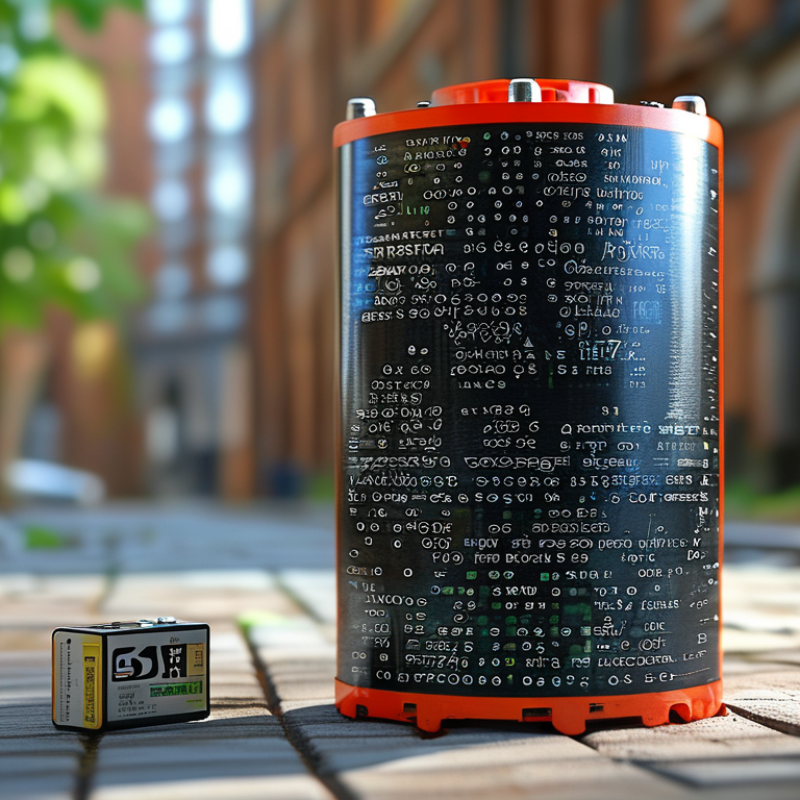
Cylindrical Sodium-Ion Batteries offer a unique design that can optimize space in battery applications. They might be easier to recycle, but the recycling infrastructure is still developing. Investment in recycling technologies is needed to ensure these batteries leave a minimal ecological footprint. This ongoing evolution can provide opportunities, yet it also requires critical reflection on sustainability practices within the industry.
Future Trends: Innovations and Market Growth for Sodium-Ion Technology
The sodium-ion battery market is gaining momentum, reflecting a shift in energy storage technologies. According to a recent report by Allied Market Research, the global sodium-ion battery market is projected to reach $10.11 billion by 2030. This highlights a growing interest in sustainable energy solutions.
Innovations in sodium-ion technologies are driving this growth. Research indicates a need for cheaper and more abundant resources compared to lithium-ion alternatives. Sodium-ion batteries leverage sodium, which is widely available and cost-effective. This accessibility can lead to significant reductions in production costs, making energy storage more feasible for various applications.
However, challenges remain. While sodium-ion batteries are promising, energy density and lifecycle performance metrics need improvement. Current models often fall short compared to lithium-ion batteries. There is a crucial need for ongoing research to enhance these properties. As the industry evolves, partnerships and collaboration between research institutions and manufacturers will be vital. Industry leaders must focus on refining battery performance. The future of sodium-ion technology could transform energy storage solutions if these hurdles are addressed effectively.
FAQS
: Sodium-Ion Batteries use sodium instead of lithium. They are more abundant and environmentally friendly.
Sodium is cheaper and more available than lithium. This can lead to long-term cost savings.
It's important to consider energy density, cycle life, and efficiency. These impact battery performance.
Higher energy density allows for longer runtimes in devices. But achieving it can be challenging.
They may struggle in extreme temperatures. Users should adjust their expectations accordingly.
Cycle life measures how many charge and discharge cycles a battery can support before degrading.
Higher efficiency means less energy waste. It's crucial for maximizing battery performance.
They often have lower energy density and lifecycle performance compared to lithium-ion options.
Continued research and innovation are necessary. The market is growing, but challenges need addressing.
They may fall short in some areas. Understanding their advantages and limitations is essential.
Conclusion
Sodium-Ion Batteries are emerging as a viable alternative to traditional lithium-ion technology, with unique benefits that make them an attractive option in various applications. Understanding the fundamental characteristics of Sodium-Ion Batteries, including their energy density, cycle life, and efficiency, is crucial for selecting the best fit for specific needs. A cost analysis reveals that these batteries can offer affordability while meeting performance standards.
Moreover, Sodium-Ion Batteries excel in specific applications, particularly in renewable energy storage and electric vehicles, due to their sustainability and lower environmental impact during production. As innovations in Sodium-Ion technology continue to evolve, the market shows promising growth, indicating a shift towards more sustainable energy solutions. Ultimately, informed decision-making based on these key aspects will help users choose the right Sodium-Ion Battery for their requirements.