The shift towards cleaner, renewable energy around the world is really making Battery Storage Systems a much more common sight—not just in whole grids, but also in homes and businesses. These days, suppliers aren’t just racing to pack in more battery capacity; they’re also competing on things like safety, reliability of the software, how long the batteries will last, and how quickly they can support customers if issues pop up. In this guide, we’ll take a closer look at some of the top companies out there—like Tesla, Sungrow, Fluence, BYD, CATL, Wärtsilä, and LG Energy Solution. Each of these players caters to different kinds of projects, so it’s worth knowing what they bring to the table.
But here’s the thing—performance isn’t just about what the product brochure says. You really need to dig into the details. A solid Battery Energy Storage System should do things like keep temperatures steady, manage charging cycles properly, and communicate clearly with your energy management system. When you're shopping around, pay attention to aspects like how efficient the system is when cycling power, how the battery ages over time, warranty conditions, fire safety features, and how straightforward the replacement process is. For example, if you’re working on a utility-scale project, you might need a system housed in a container, with remote monitoring and grid support features. Or if you're upgrading a commercial building, your main goals could be cutting peak demand, fitting the setup into tight spaces, and keeping maintenance simple. Remember, real-world experience matters—a system that works great in a controlled environment might face dust, heat, humidity, or unstable grid issues when installed on site.
Now, no ranking or review is ever perfect—data can change, and circumstances vary. Supplier strength and offerings can also differ depending on your region, project size, or the level of support you need. For instance, some folks might choose Tesla for an all-in-one platform, while others might prefer Sungrow or Fluence if they’re working on larger, utility-scale projects. Companies like BYD and CATL are known for their manufacturing prowess, and Wärtsilä focuses a lot on energy management and grid integration. All these differences aren’t just marketing hype—they’re real factors you need to dig into. Make sure to look at independent test results, certified safety documents, references from actual projects, and support options available locally before you make any decisions. This overview is meant to give you a good starting point, but honestly, the real-world performance of these systems is what really counts—so take your time to review thoroughly.
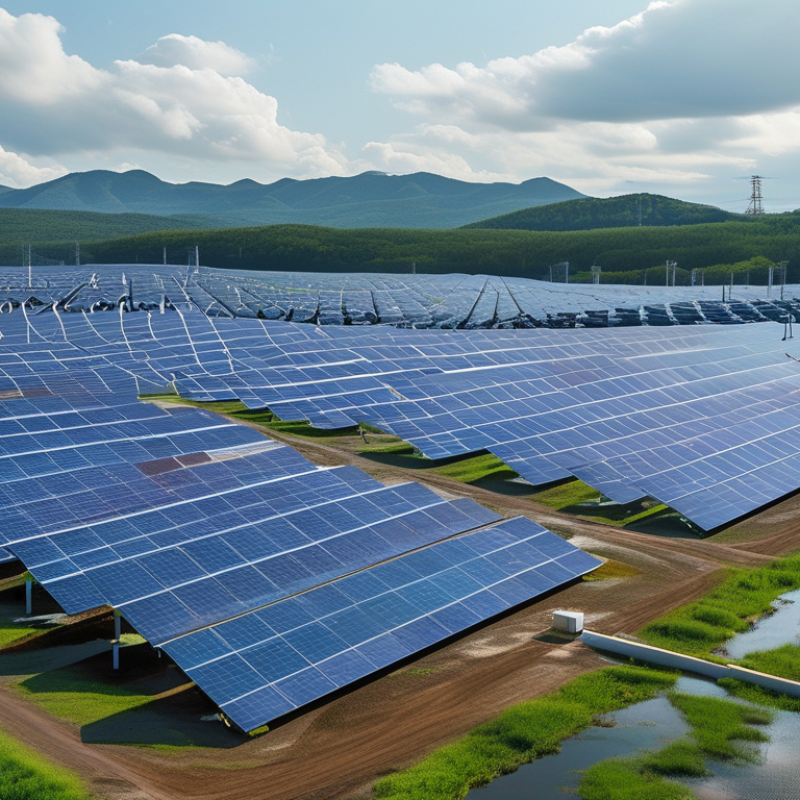
Battery storage systems capture electricity and release it when demand rises. They usually combine battery cells, power electronics, monitoring software, and thermal controls. Together, these parts form a controlled energy reserve.
A Battery Storage System For Solar can store surplus power at midday. It can then supply lights, refrigeration, or pumps after sunset. This reduces wasted generation and may lower dependence on grid electricity. During a short outage, some systems can maintain essential circuits. The experience is practical: a charged battery can keep a small clinic’s refrigerator running through several evening hours.
Capacity is not the only concern. Engineers examine daily energy use, peak loads, installation space, ventilation, and emergency access. They also check cycle life, round-trip efficiency, fire protection, and software alerts. Small details matter. A shaded enclosure may protect performance in hot weather. Poorly sized cables can create losses and unsafe heat.
No system is perfect. Batteries gradually lose capacity, and cold conditions can reduce output. Forecasts can also be wrong, leaving less stored energy than expected. Regular inspections and clear operating procedures improve reliability. Users should understand backup limits, maintenance needs, and replacement costs before installation. Independent testing and qualified installation add confidence, but they do not remove every risk. Data from real operating conditions should guide future adjustments.
Battery storage suppliers worldwide are classified by their role, technology, project scale, and service capabilities. Cell producers supply the electrochemical core, while system integrators combine cells, inverters, cooling equipment, controls, and safety systems. Some companies focus on residential units. Others deliver containerized systems for factories, utilities, and renewable energy projects.
Chemistry is another important classification factor. Suppliers may offer lithium-based, sodium-based, flow, or other storage technologies. Each option differs in energy density, operating temperature, cycle life, and maintenance needs. Buyers should examine tested performance, not only advertised capacity. A system rated at 10 megawatt-hours may provide less usable energy after reserve limits and conversion losses.
Suppliers can also be grouped by business model. Equipment vendors sell hardware, project developers manage complete installations, and service providers handle monitoring, inspections, and replacement planning. Regional suppliers often understand local grid conditions, weather, permits, and installation practices. International suppliers may provide broader documentation and larger production capacity, but support can feel distant. This classification is useful, though not perfect. A single supplier may manufacture components, design systems, and operate projects. During evaluation, buyers should request factory records, warranty terms, response times, fire-safety testing, and real operating data. Paperwork matters. Site experience matters more.
Battery storage suppliers are commonly classified by their primary role in the value chain: battery-cell manufacturers, battery-pack and system integrators, power-conversion system providers, energy-management software suppliers, and EPC and operations-and-maintenance companies. The chart shows the estimated regional concentration of global lithium-ion battery cell manufacturing capacity in 2023, which strongly influences worldwide storage-system supply.
Source: International Energy Agency (IEA), Global EV Outlook 2024 and Batteries and Secure Energy Transitions. Regional values are rounded estimates.
A modern Battery Storage System depends on several technologies working together. Lithium-ion cells remain common because they offer high energy density and fast response. Many large installations use lithium iron phosphate chemistry for improved thermal stability and longer cycle life. Cell selection still requires careful testing. Performance varies with temperature, charging speed, and operating schedules.
The battery management system measures voltage, current, and temperature at cell level. It can isolate a weak module before damage spreads. Power conversion equipment changes direct current into grid-compatible alternating current. An energy management system then matches storage output with renewable generation, demand, and electricity prices. Thermal management is equally important. Air cooling may suit smaller rooms, while liquid cooling supports dense containers and hot climates. A difference of only a few degrees can affect aging.
Safety controls include smoke detection, pressure relief, fire separation, and remote shutdown. Operators also need clear maintenance records and independent inspections. Field experience shows that cable labels, ventilation paths, and sensor calibration often receive too little attention. Small details matter. Forecasting software can reduce unnecessary cycling, but its predictions are imperfect. A system may still discharge at the wrong time when weather data changes suddenly. Regular performance reviews help reveal those mistakes before they become expensive.
Leading Regions in the Global Battery Storage Market
Asia-Pacific leads the global battery storage market through strong manufacturing capacity and rapid renewable energy growth. China, India, Japan, and South Korea support large-scale projects near solar and wind facilities. Many systems balance evening demand after sunset. However, fast construction does not guarantee reliable operation. Project reviews often reveal gaps in maintenance planning, grid connection, and fire safety training.
Europe is advancing storage through flexible grids and ambitious clean-energy targets. Northern markets often need storage during dark winter periods, while southern regions manage intense summer solar production. North America focuses heavily on utility-scale installations and extreme-weather resilience. Desert projects may face high temperatures, dust, and difficult water access. A Liquid Cooled Battery Storage System can help control heat, but it also requires skilled servicing and dependable auxiliary equipment.
Tips: Compare regional climate data, grid rules, warranty terms, and service response times before selecting equipment. Ask for tested cycle-life results, not only advertised capacity. Small details matter. Storage economics remain uncertain in some markets, especially where electricity prices change quickly. A careful buyer should also review local recycling arrangements and emergency procedures before construction begins.
Comparing battery storage system suppliers requires more than checking a quoted price. The International Energy Agency reported about 42 GW of utility-scale battery capacity added globally in 2023. That was nearly twice the 2022 level. This growth makes technical screening urgent. Ask suppliers for usable energy, continuous power, round-trip efficiency, degradation curves, and auxiliary consumption. A 100 MWh nameplate system may deliver less after reserve limits and conversion losses. Request test conditions, not marketing averages.
Safety evidence should be equally specific. The 9540A thermal-runaway test method examines fire propagation at cell, module, unit, and installation levels. Cell results alone are insufficient. Review detection, ventilation, suppression, emergency shutdowns, and independent certification. Ask for incident records and corrective-action history. Silence is not reassurance. Use IEC 62933 and local grid requirements as screening references, not substitutes for site engineering.
Commercial comparisons should include warranty scope, response-time guarantees, spare-parts access, software ownership, and end-of-life responsibilities. The National Renewable Energy Laboratory’s 2023 cost update models storage costs by duration and power rating. That is more useful than one universal price. Compare cash flows with identical dispatch profiles, tariffs, financing assumptions, and replacement schedules. I would still treat every degradation forecast as provisional. It may be wrong. Real projects face heat, dust, curtailed output, and delayed grid approvals. Supplier references should show how teams handled those conditions. A factory acceptance test and independent performance test can expose gaps that spreadsheets hide.
Selecting a battery storage supplier requires more than comparing quoted prices. Project teams examine cycle life, thermal management, warranty terms, and service response times. A Commercial Battery Storage System may operate beside warehouses, solar farms, or substations. Each location creates different demands for ventilation, noise control, and emergency access.
Field experience often exposes details missing from sales presentations. During site assessments, engineers check cable routes, floor loading, ambient temperatures, and control-room connectivity. Suppliers with documented testing procedures provide stronger confidence. Clear degradation curves also help owners estimate usable capacity after ten years. Yet spreadsheets can mislead. Actual performance depends on charging habits, weather, maintenance, and software settings.
Market growth is pushing suppliers to improve safety, integration, and financing options. Buyers increasingly request systems that can support peak shaving, renewable balancing, and backup power. They also examine local technical teams, spare-parts access, cybersecurity practices, and training records. A low-cost offer may become expensive when replacement modules wait months for delivery. Small omissions matter.
Supplier credibility should come from verifiable project evidence, not confident language. Ask for operating data from comparable climates and load profiles. Review incident reporting, factory quality controls, and independent compliance records. I have seen well-designed projects lose value through weak commissioning. That lesson remains easy to overlook.
Asia-Pacific leads through strong manufacturing and fast renewable-energy growth. Europe and North America are also expanding rapidly. Regional needs differ.
Storage can shift electricity into evening hours after sunset. It also helps balance renewable generation and changing demand. Timing matters.
Fast construction may leave gaps in maintenance, grid connection, and fire-safety training. Reliable operation needs more than installation speed. This is easy to underestimate.
Northern areas may need storage during dark winter periods. Southern areas often manage intense summer solar production. Climate changes the design.
Desert installations may encounter extreme heat, dust, and limited water access. Equipment needs suitable thermal control and regular servicing. Auxiliary systems also matter.
Compare climate data, grid rules, warranty terms, and service response times. Request tested cycle-life results, not only advertised capacity. Check recycling and emergency plans.
Review testing procedures, degradation curves, factory controls, and independent compliance records. Ask for data from similar climates and load profiles. Sales confidence is not proof.
Delayed spare parts, weak commissioning, or poor maintenance can increase long-term costs. A replacement module might wait months. Cheap is not always economical.
They should check cable routes, floor loading, ambient temperatures, ventilation, noise, and control-room connectivity. Emergency access deserves attention. Small details matter.
Estimates help, but actual results depend on charging habits, weather, maintenance, and software settings. Spreadsheets can mislead. Real operation is less tidy.
A Battery Storage System stores electricity for later use, helping balance supply and demand, improve grid reliability, and support renewable energy integration. These systems range from residential units and commercial installations to utility-scale projects, and suppliers can be classified by application, capacity, technology, and service model. Modern solutions commonly use lithium-based batteries, advanced power conversion equipment, thermal management, monitoring software, and safety controls to improve performance, efficiency, and operational stability.
The global battery storage market is developing rapidly across regions with strong renewable energy investment, grid modernization programs, and rising electricity demand. When comparing suppliers, buyers should assess system efficiency, usable capacity, safety standards, warranty coverage, lifecycle performance, installation capability, maintenance services, and total cost of ownership. Supplier selection and market growth are also influenced by raw material availability, manufacturing scale, policy support, network conditions, project financing, and the ability to provide reliable long-term support. Together, these factors determine how effectively storage systems can meet changing energy needs.