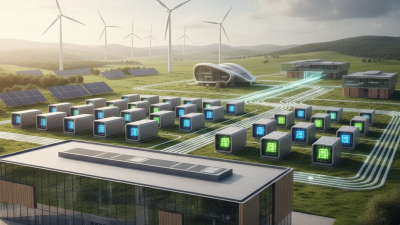
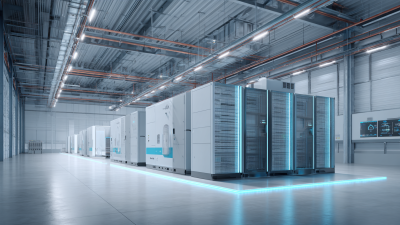
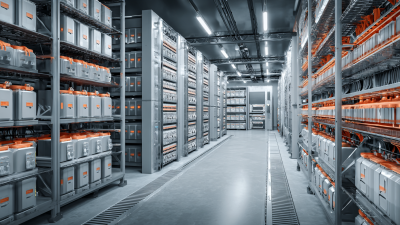
These days, power storage systems are really becoming a big deal in the energy world. You know, they’re essential when it comes to tackling the hiccups that come with relying on renewable sources like wind and solar, which can be pretty unpredictable. As we push harder towards a more sustainable future, the need for dependable Energy Storage options is pretty clear-cut.
Basically, these systems are key players in balancing out the supply and demand of electricity. They let us stash away extra energy when production is high — kind of like saving up during the good times — so we can use that stored energy later on when the sun isn’t shining or the wind isn’t blowing. Still, it’s not all smooth sailing. There are some hurdles — like how efficient these systems are, which varies quite a bit, and the fact that they can be pretty pricey, making widespread adoption not quite as simple.
Plus, we need to be careful about the environmental side of things. Not all storage tech is totally eco-friendly. Some of the materials involved can actually be pretty harmful. That’s why ongoing research and new innovations are so important — we need smarter, greener solutions if we’re serious about meeting our energy needs without messing up the planet.
The Role of Power Storage Systems in Energy Transition
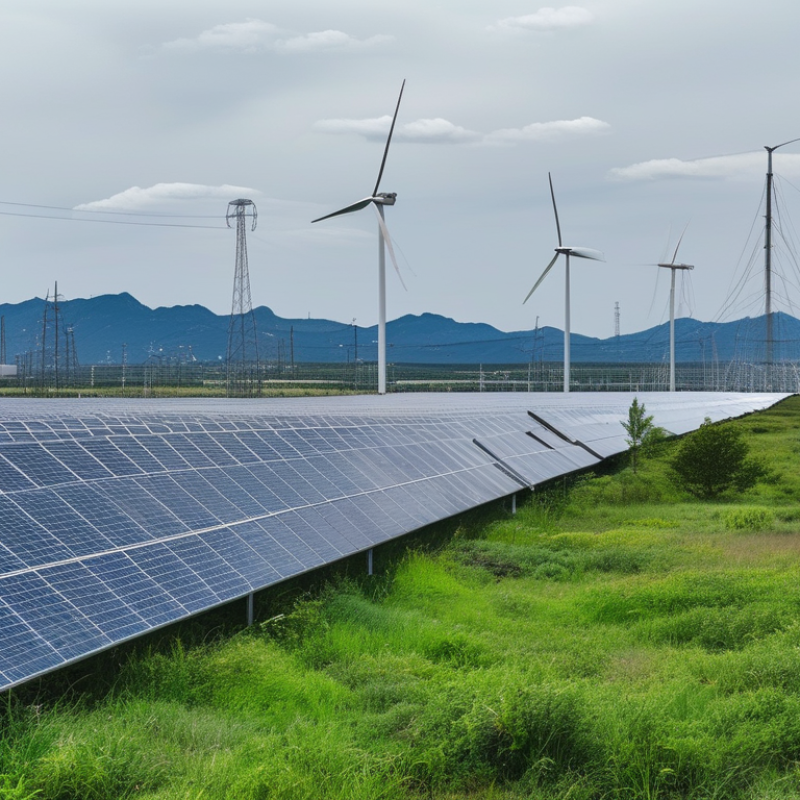
Power storage systems play a crucial role in the energy transition. They allow for the effective use of renewable energy sources like solar and wind. Without storage, energy generated during peak production times goes to waste. Batteries can store excess power, providing energy when demand is high.
In many regions, electricity demand fluctuates throughout the day. Storage systems offer a solution by balancing supply and demand. They can store energy during off-peak hours and release it when needed. This flexibility is vital for integrating renewable sources into the grid seamlessly.
However, challenges remain. Battery degradation over time affects performance. The materials used in batteries can pose environmental concerns. Addressing these issues requires ongoing innovation and commitment from industry players. We must ensure that power storage systems evolve as our energy needs change. This evolution is not just necessary; it is essential for a sustainable energy future.
Types of Power Storage Technologies and Their Applications
Power storage technologies play a crucial role in meeting modern energy demands. Various systems exist, each tailored to specific needs. For instance, lithium-ion batteries dominate the market, thanks to their high energy density. According to a report by BloombergNEF, the global lithium-ion battery market is projected to reach $100 billion by 2030. This impressive growth reflects their widespread adoption in electric vehicles and renewable energy storage.
Another significant technology is pumped hydro storage. This method uses excess energy to pump water to a higher elevation, which can later produce electricity. The International Hydropower Association estimates that pumped hydro accounts for about 95% of global energy storage capacity. While effective, this system requires specific geographical conditions, limiting its implementation in some areas.
Flywheel energy storage represents an innovative approach. It stores energy in a rotating mass, offering rapid discharge capabilities. It becomes essential for frequency regulation in grid operations. However, flywheel systems can be costly and have higher maintenance requirements. Balancing these challenges and advantages is crucial as the demand for flexible energy storage solutions continues to rise.
Benefits of Power Storage Systems for Renewable Energy Integration
Power storage systems play a crucial role in integrating renewable energy sources like solar. With intermittent energy generation, such as solar power, storage systems ensure a consistent power supply. These systems can store energy during peak sunlight hours and release it when needed. This capability helps balance supply and demand, creating a more reliable energy grid.
The benefits of Solar Power Systems With Battery Storage extend beyond reliability. They can reduce energy costs by allowing users to store energy and use it during high-rate periods. Additionally, power storage systems can enhance grid stability. They provide backup power during outages, increasing resilience. However, transitioning to these systems comes with challenges, including high initial costs and technical hurdles.
As we explore renewable energy integration, the importance of developing effective energy storage solutions becomes evident. Ongoing advancements may address current limitations. Moreover, the effectiveness of solar power systems with battery storage highlights the need for further research and improvement. It’s a growing field that requires ongoing attention and innovation.
Benefits of Power Storage Systems for Renewable Energy Integration
This chart illustrates the benefits of power storage systems in kilowatt-hours (kWh) across various energy sources. It highlights the importance of energy storage in optimizing renewable energy integration.
Challenges in Implementing Power Storage Solutions
The integration of power storage solutions is not without challenges. One major issue is the high initial cost. Developing Solar Power Storage Systems requires significant investment in technology and infrastructure. Many stakeholders hesitate due to budget constraints. This hesitance can slow down the transition to renewable energy sources.
Another challenge lies in the technology itself. Different storage solutions vary in efficiency and lifespan. For instance, some batteries degrade faster than others, impacting their long-term reliability. This uncertainty breeds skepticism among consumers and utilities. Many do not fully trust these systems, fearing they might not perform as promised.
Regulatory hurdles also complicate the implementation process. Policies vary widely, creating confusion. Standards for Solar Power Storage Systems often lag behind technological advances. Local governments may not have the expertise to manage complex storage policies. This inconsistency adds another layer of difficulty for organizations looking to adopt these solutions. Adjustments will be necessary as the energy landscape evolves. Consideration of these challenges is crucial for fostering a more reliable and sustainable energy future.
Economic Impacts of Power Storage on Energy Markets
Power storage systems play a crucial role in shaping modern energy markets. Their economic impact is significant and multifaceted. Energy storage allows for better management of supply and demand. When production exceeds consumption, power can be stored for later use. This balancing act helps stabilize prices in volatile energy markets.
Investing in energy storage systems can lower operational costs for energy providers. With more efficient storage, companies can avoid paying penalties during peak usage times. This reduces the burden on consumers as well. However, the initial setup costs can be high, raising concerns for smaller companies. They must weigh the long-term benefits against immediate financial constraints.
Tips: Look for incentives that support Energy Storage Systems For Solar Power. Many regions offer financial assistance for installation. This can substantially offset initial expenses. Consider localized storage solutions too. Sometimes, smaller installations can provide practical benefits without the hefty price tag. Balancing sustainability with economic viability requires careful consideration of all available options.
Future Trends in Power Storage Systems and Innovations
The evolution of Electric Power Storage Systems is vital for addressing modern energy demands. As we move towards a more sustainable future, innovations in these systems will shape how we harness and utilize energy. Reports indicate that the global energy storage market could reach $546.5 billion by 2035, driven by advancements in battery technologies and integration with renewable sources. This growth represents a significant shift towards more efficient energy management.
Emerging trends in Electric Power Storage Systems showcase a surge in solid-state batteries. These batteries promise greater energy density and safety compared to conventional lithium-ion options. Furthermore, artificial intelligence is being integrated to optimize energy distribution. By analyzing data in real-time, AI can improve grid stability and reduce energy waste. Data from industry reports highlights a 30% efficiency increase in energy management through these innovations.
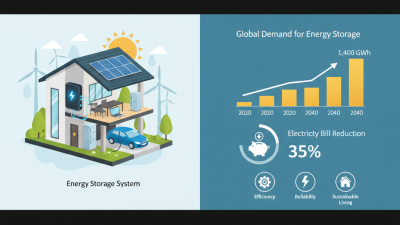
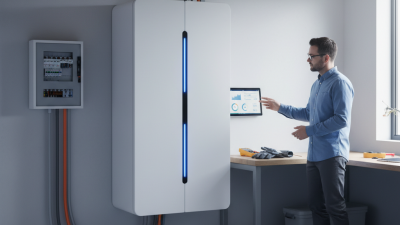
Investing in Electric Power Storage Systems not only benefits utilities but also consumers. By implementing home storage solutions, individuals can manage energy usage more effectively. Many homeowners are already seeing savings up to 50% on their energy bills. While the benefits are clear, the adoption rate remains a challenge. Education on the advantages and technologies available is essential for wider acceptance.
Environmental Considerations of Power Storage Technologies
Power storage technologies play a critical role in balancing energy supply and demand. They help integrate renewable energy sources. However, not all technologies are created equal; some have significant environmental impacts. The extraction of materials for batteries, for instance, can harm ecosystems. Mining processes often lead to soil degradation and water pollution.
Another concern lies in the lifecycle of these systems. Many power storage solutions, such as lithium-ion batteries, require responsible recycling. Improper disposal can lead to toxic substances leaking into the environment. Research suggests that only a fraction of batteries are currently recycled effectively. This presents a challenge for sustainability.
Additionally, energy storage can lead to energy waste if not properly managed. Systems need to be designed to optimize usage and minimize loss. The development of greener alternatives is ongoing, with innovations aimed at reducing harmful effects. As we navigate these challenges, it's crucial to focus on solutions that promise both efficiency and sustainability.
Power Your Future: Exploring the Benefits of Long Cycle 24V 100Ah Lithium Ion Batteries for Efficient Energy Storage
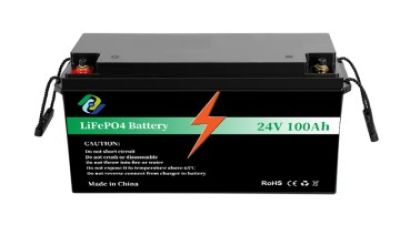
The shift towards sustainable energy solutions has sparked a significant interest in lithium-ion batteries, specifically the Long Cycle 24V 100Ah variants. With a nominal voltage of 25.6V and a rated energy of 2560Wh, these batteries are designed to meet the growing demand for efficient energy storage systems. A key feature of these batteries is their impressive cycle life, exceeding 4,000 times, which means that they can sustain performance through numerous charge and discharge cycles, a pivotal factor for users seeking reliability over time.
Manufactured using advanced Lithium Iron Phosphate (LiFePO4) technology, these batteries not only offer high energy density but also come in a compact size of 522*239*219mm, making them suitable for a variety of applications ranging from renewable energy storage to electric vehicles. Weighing approximately 29 kg, they are significantly lighter than traditional lead-acid alternatives, simplifying the installation and integration process. Additionally, with a maximum continuous discharge current of 100A, they can efficiently handle demanding energy loads, which is critical for powering multiple devices or systems simultaneously.
Moreover, the durability of these batteries is complemented by their rapid charging capabilities, ensuring that energy storage is not just efficient but also time-effective. Coupled with a comprehensive 3-year warranty, users can invest confidently, knowing that they are backed by a reliable energy solution. In an age where energy efficiency and sustainability are paramount, the adoption of Long Cycle 24V 100Ah lithium-ion batteries represents a significant step forward in our collective aim for a greener future.
FAQS
: Power storage systems store energy generated from renewable sources like solar and wind. They help balance supply and demand.
Energy storage prevents waste and ensures energy is available during high demand. It supports renewable energy integration into the grid.
High initial costs, battery degradation, and regulatory hurdles complicate implementation. These issues can slow down the renewable energy transition.
Over time, batteries lose efficiency. This can lead to reduced reliability and skepticism among users regarding their longevity.
Solid-state batteries and artificial intelligence integration are emerging trends. These innovations aim to improve safety, efficiency, and energy distribution.
Home energy storage systems can help consumers manage usage better. Some homeowners report savings of up to 50% on energy bills.
Consumers need to understand the advantages and technologies available. Education can drive wider acceptance and encourage investment.
The materials used in batteries can have environmental impacts. Ongoing innovation is necessary to address these concerns effectively.
AI can analyze data in real-time, optimizing energy distribution. This can increase efficiency in energy management significantly.
Continued evolution of power storage systems is essential. It requires innovation and a commitment from all industry stakeholders.
Conclusion
Power Storage Systems are becoming increasingly essential in the transition towards a more sustainable energy future. These systems play a critical role in integrating renewable energy sources by storing excess power generated during peak production times for use during periods of high demand. Various technologies, such as batteries, pumped hydro storage, and thermal storage, offer diverse applications, each contributing uniquely to energy stability and reliability.
Despite their benefits, the implementation of Power Storage Systems faces challenges like high initial costs, regulatory hurdles, and technological limitations. However, their economic impacts on energy markets can lead to more competitive pricing and increased investment in renewables. As innovations continue to emerge, future trends indicate significant advancements in efficiency and capacity, alongside growing environmental considerations. Overall, Power Storage Systems are pivotal for enhancing energy resilience and supporting a sustainable energy ecosystem.