Okay, so what’s a sodium-ion Battery, and how does it actually work?
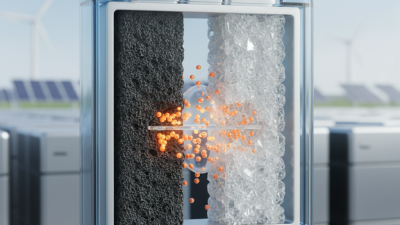
At its core, a sodium-ion battery stores energy by moving Sodium Ions back and forth between two electrodes. When you charge it, those ions travel through the electrolyte toward the anode. Electrons, meanwhile, take the outside route through the external circuit. On discharge, everything flips and the battery powers whatever device it’s hooked up to. Think of it as a controlled chemical shuttle—nothing magic, just ions moving where they’re supposed to.
The cathode can be made from a few different things: Prussian blue compounds, layered oxides, or polyanionic materials. The anode often uses hard carbon. And there’s a separator that keeps the electrodes from touching while still letting ions pass through. Sound familiar? It’s a lot like a lithium-ion battery, except sodium takes lithium’s place. That swap ends up affecting energy density, operating temperature, and where the materials come from.
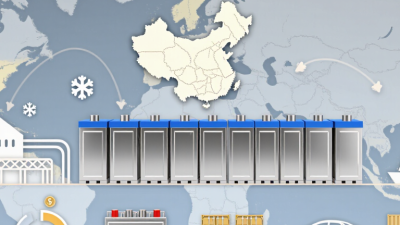
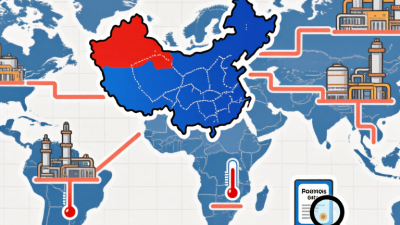
The IEA’s Global EV Outlook 2024 notes that sodium-ion production is still pretty small compared with lithium-ion manufacturing. That said, announced capacity is growing, especially in China. IDTechEx’s Sodium-Ion Batteries 2024–2034 report points to stationary storage and low-cost vehicles as key areas. Costs might come down over time—but they’re not automatically cheap today.
Dr. Jerry Barker, founder of Faradion, put it well: sodium-ion tech is “not a replacement for lithium-ion technology, but complementary.” That distinction really matters. Battery Sodium isn’t some magic fix. It could help reduce dependence on lithium and make supply chains more resilient. But performance still depends on chemistry, temperature, cycle life, and how the whole system is designed.
This tech could play a role in things like a 12v starting battery, 12v sodium battery, 12v sib, 12v start-stop battery, or 12v sodium ion battery. But those applications need careful testing. Cold cranking is still a real-world challenge. And honestly, real-world results can be disappointing.
A good introduction should push back on overly optimistic claims. Yes, sodium is abundant. But a complete battery system still needs solid engineering, quality control, and responsible recycling.
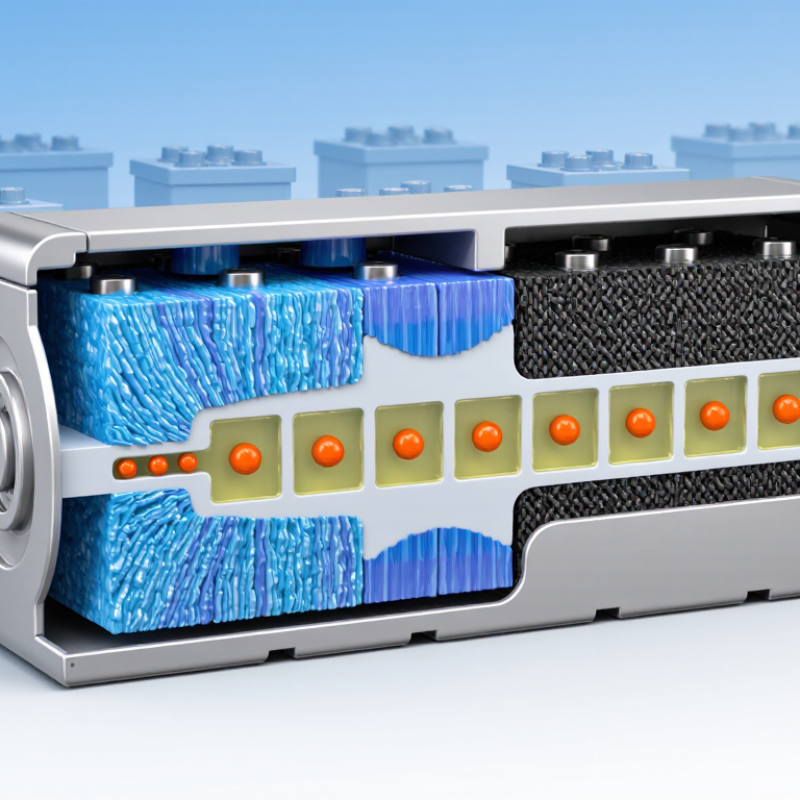
A sodium-ion battery stores and releases energy by moving sodium ions between two electrodes. During charging, ions leave the cathode, cross the electrolyte, and enter the anode. During discharge, they travel back and produce usable electricity. A separator keeps the electrodes apart while allowing ion movement. This structure resembles a lithium-ion cell, but it uses sodium instead of lithium. The phrase Sodium Battery usually describes this broader technology.
Sodium is widely available in seawater and mineral deposits, which may reduce exposure to lithium, nickel, and cobalt supply pressures. However, sodium ions are larger than lithium ions. This limits energy density. The International Energy Agency’s Global EV Outlook 2024 reports approximately 90–160 Wh/kg for current sodium-ion cells, compared with higher figures for many lithium-ion designs. The difference matters in electric vehicles, where every kilogram affects range. Sodium-ion batteries may fit better in stationary storage, backup systems, and short-distance transport. The chemistry is promising, but not magic. Some performance claims remain projections, not field-proven results.
Tips: Check energy density, cycle life, operating temperature, and safety data before comparing a sodium-ion product. Ask whether the figures come from laboratory tests or independent, full-cell testing. The U.S. Department of Energy’s Energy Storage Grand Challenge Roadmap also emphasizes lifecycle cost, recycling, and supply-chain resilience. Those factors deserve attention. A lower material cost does not automatically mean a cheaper system. Real installation, thermal management, and replacement costs can change the calculation.
A sodium-ion battery stores and releases energy through sodium ions moving between two electrodes. Its main components are the cathode, anode, electrolyte, separator, current collectors, and protective casing. During charging, sodium ions leave the cathode and travel through the electrolyte toward the anode. Electrons move through the external circuit instead. During use, the ions return, while electrons power the connected device.
The cathode usually contains a sodium-based material that provides a structured pathway for ion movement. The anode stores sodium ions during charging and releases them during discharge. Hard carbon is often studied for this role, although its performance can vary with processing conditions.
The electrolyte carries ions but blocks ordinary electron flow. A thin separator keeps the electrodes apart and reduces the risk of internal contact. Copper or aluminium current collectors gather electrical current from the electrode layers. The casing holds everything under controlled pressure, while a battery management system monitors temperature, voltage, and charging limits.
Tips: Check the separator and electrolyte quality carefully. Small defects can affect safety and cycle life. Keep the battery within its recommended temperature range. Real performance may differ from laboratory results. That matters. Even a well-designed cell can lose capacity because of moisture, uneven coating, or repeated fast charging. Engineers must test these details rather than assume the chemistry will behave perfectly.
What Is a Sodium Ion Battery and How Does It Work?
How Sodium Ions Move During Charging
During charging, sodium ions leave the cathode and travel through the electrolyte toward the anode. Electrons take a different route through the external circuit. A separator blocks electrons but permits ion movement, preventing an internal short circuit. At the anode, often made from hard carbon, sodium ions settle into microscopic pores and layered regions. The process resembles people entering a crowded station. Some spaces fill quickly. Others resist entry.
The chemistry is less simple than a diagram suggests. Solvent molecules must separate from sodium ions before storage. A thin interphase layer also forms on the anode surface. This layer can protect the electrode, but it may consume sodium and reduce efficiency. Charging too quickly can increase heat and uneven deposition. Temperature matters, too. Cold electrolytes move slowly, while excessive heat accelerates unwanted reactions.
The International Energy Agency reported in Batteries and Secure Energy Transitions (2024) that sodium-ion cells can approach 160 Wh/kg, below leading lithium-ion designs exceeding 300 Wh/kg. That gap affects vehicle range, but sodium resources are widely available. The IEA’s Global Critical Minerals Outlook 2024 also identifies sodium-ion chemistry as a potential way to reduce pressure on lithium supply chains. The technology remains imperfect. Real-world aging, low-temperature performance, and manufacturing scale still require careful testing.
| Data Dimension | Typical Material or Value | How It Works in the Battery | Key Note |
|---|---|---|---|
| Battery Type | Rechargeable sodium-ion battery | Stores and releases energy by reversibly moving sodium ions between two electrode materials. | Sodium ions act as the charge-carrying ions inside the cell. |
| Positive Electrode During Discharge | Sodium-containing layered oxide, polyanionic compound, or Prussian-blue-type material | Releases sodium ions during discharge and accepts them again during charging. | The exact chemistry affects voltage, lifetime, and energy density. |
| Negative Electrode During Discharge | Hard carbon is commonly used | Stores sodium ions during charging and releases them during discharge. | Hard carbon has a disordered structure with sites suitable for sodium storage. |
| Electrolyte | Organic solvent containing a sodium salt, such as NaPF6 or NaClO4 | Provides a pathway for Na+ ions to travel between the electrodes. | The electrolyte conducts ions but is designed to block electronic current. |
| Separator | Microporous polymer membrane | Allows sodium ions to pass through while keeping the positive and negative electrodes physically apart. | Preventing direct electrode contact helps avoid an internal short circuit. |
| Charging: Sodium-Ion Movement | Positive electrode → electrolyte → negative electrode | An external power source removes Na+ from the positive electrode and drives the ions through the electrolyte into the negative electrode. | This is the main ionic movement during charging. |
| Charging: Electron Movement | Positive-electrode current collector → charger → negative-electrode current collector | The charger forces electrons through the external circuit in the opposite direction to the sodium-ion flow inside the cell. | Electrons do not normally travel through the electrolyte. |
| Discharging: Sodium-Ion Movement | Negative electrode → electrolyte → positive electrode | Na+ leaves the negative electrode and returns to the positive electrode while the battery supplies electrical energy. | Discharge reverses the ion movement that occurs during charging. |
| Discharging: Electron Movement | Negative electrode → external load → positive electrode | Electrons flow through the connected device and deliver usable electrical power. | The external electron path powers the load. |
| Sodium-Ion Ionic Radius | Approximately 1.02 Å for six-coordinate Na+ | The relatively large ion size influences diffusion pathways and the structure of electrode materials. | Actual effective size varies with coordination and solvation. |
| Standard Reduction Potential | Approximately −2.71 V versus the standard hydrogen electrode | This value reflects the tendency of Na+ to be reduced to sodium metal under standard conditions. | Cell voltage depends on the paired electrode materials, not this value alone. |
| Theoretical Specific Capacity of Sodium Metal | Approximately 1,166 mAh/g | This is calculated from one electron per sodium atom and sodium's molar mass. | It is a theoretical reference value, not the practical capacity of a complete sodium-ion cell. |
| Typical Cell Voltage Range | Approximately 2.5–3.5 V for many sodium-ion cell chemistries | Voltage is generated by the difference in sodium chemical potential between the two electrodes. | The actual range varies with electrode composition and state of charge. |
| Energy Storage Mechanism | Reversible ion insertion, adsorption, or conversion | Sodium ions occupy or interact with sites in the electrode structure without requiring sodium ions to cross the external circuit. | Different electrode mechanisms produce different performance characteristics. |
| Overall Charging Reaction | Positive electrode + negative electrode ← reversible sodium-ion transfer | Electrical energy from the charger is converted into chemical energy as sodium ions and electrons are stored at the negative electrode. | The reaction is designed to be reversible over many cycles. |
A sodium-ion battery stores energy through reversible chemical reactions. Its operation resembles that of a lithium-ion cell, but it moves sodium ions instead. The key components include a negative electrode, positive electrode, electrolyte, and separator. During discharge, sodium atoms release electrons at the negative electrode. Electrons cannot cross the separator.
Instead, sodium ions travel through the electrolyte toward the positive electrode. Meanwhile, electrons move through an external circuit and power a device. That electron flow creates usable electrical current. At the positive electrode, sodium ions and electrons reunite with the host material. The separator keeps the electrodes apart and reduces the risk of internal contact. This coordinated movement produces electrical power in real time.
When external power reaches the battery, the reactions reverse during charging. Sodium ions return to the negative electrode for later use. In Battery Sodium research, engineers measure voltage, cycle life, heat, and charging efficiency carefully.
Sodium resources are widely available, which may support more stable material supply. However, sodium ions are larger than lithium ions, so electrode design becomes difficult. The explanation sounds simple, but the chemistry is not. Small changes in temperature or electrode structure can reduce performance. Practical results also vary between cell designs, testing methods, and operating conditions.
A Sodium Based Battery stores and releases energy by moving sodium ions between two electrodes. During charging, sodium ions leave the cathode and travel through the electrolyte. They settle inside the anode structure. During discharge, the ions move back, while electrons flow through the external circuit. This movement powers a device.
The cathode often contains layered sodium metal oxides, polyanionic compounds, or Prussian blue analogues. Each material offers a different balance of voltage, stability, cost, and usable capacity. Hard carbon is a common anode material because its irregular pores can host sodium ions. Graphite works poorly in many conventional sodium electrolytes. That detail matters. Some sodium cells also use titanium-based compounds, but these may reduce energy density.
The electrolyte usually combines a sodium salt with an organic liquid or a solid conducting material. It must transport ions without breaking down at the electrode surfaces. A porous separator keeps the electrodes apart while allowing sodium ions to pass. Aluminum can serve as a current collector on both sides in suitable designs, which may simplify cell construction. In practical testing, moisture control is critical because small contamination can change performance. The chemistry is still evolving. Some materials appear promising in laboratory cells but lose capacity after repeated cycling. That gap deserves careful attention.
Sodium-ion batteries store energy by moving sodium ions between two electrodes through an electrolyte. During charging, ions travel toward the anode. During use, they return and release electrical energy. The process resembles lithium-ion technology, but sodium is more widely available.
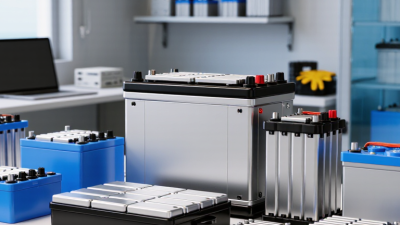
In practical applications, this familiar design can support simpler manufacturing and maintenance. A Sodium Battery Pack may serve stationary storage, backup power, and lighter electric vehicles.
The main benefit is resource availability. Sodium comes from common materials, which may reduce pressure on scarce mineral supplies. These batteries can also provide dependable performance in cold environments, depending on the cell design. Some chemistries offer strong safety characteristics and stable operation.
They may suit homes storing daytime solar power. Picture a garage system operating through a winter evening. That use case feels realistic.
Limitations remain significant. Sodium-ion cells usually store less energy by weight than lithium-ion cells. A vehicle may therefore need a larger, heavier battery pack.
Performance, cycle life, and charging speed also vary between designs. Lower material costs do not guarantee lower final prices. Manufacturing scale still matters.
Sodium technology is not automatically greener, either. Mining, processing, and recycling still require energy and oversight. It is promising, but not finished. Manufacturers must keep testing performance in heat, cold, vibration, and repeated daily charging.
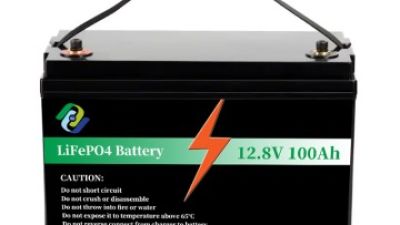
For RV campers, a customized 12V 100Ah lithium-ion battery offers a practical balance of power, compact size, and reliable performance. With a nominal voltage of 12.8V and rated energy of 1,280Wh, it can support essential onboard equipment such as lighting, refrigerators, communication devices, and other camping electronics. Its maximum continuous discharge current of 100A provides stable energy delivery for everyday mobile power needs.
The battery features a durable ABS housing and measures approximately 328 × 172 × 235 mm, making it easier to install in limited storage areas. Weighing about 13 kg, it is considerably lighter and more space-efficient than many traditional lead-acid alternatives. This lightweight design can help reduce unnecessary vehicle load while leaving more room for personal gear and camping supplies.
For campers requiring greater energy capacity, up to four batteries can be connected in parallel, expanding the total capacity to 400Ah. With a cycle life of more than 4,000 cycles, the system is designed for frequent travel and long-term use. Its customizable configuration allows RV owners to select a setup that fits their available space, power requirements, and preferred travel style, creating a dependable energy solution for both short trips and extended adventures.
Its core parts include a cathode, anode, electrolyte, separator, current collectors, and casing. A management system monitors voltage and temperature.
Sodium ions leave the cathode and move through the electrolyte toward the anode. Electrons travel through the external circuit instead. Different paths.
The anode stores sodium ions during charging and releases them during use. Hard carbon is often studied for this role. Its results can vary.
The separator keeps the electrodes apart while allowing sodium ions to pass. It blocks ordinary electron flow and helps prevent internal contact. Small defects matter.
The electrolyte carries sodium ions between both electrodes. It should limit unwanted reactions and support stable movement. Cold electrolyte moves slowly.
Excessive heat can accelerate unwanted reactions. Very low temperatures slow ion movement. Fast charging may increase heat and uneven storage. The chemistry is not perfectly predictable.
Some cells can approach 160 watt-hours per kilogram. This remains below leading lithium-ion designs above 300 watt-hours per kilogram. Vehicle range may suffer.
Moisture, uneven electrode coating, repeated fast charging, and aging can reduce capacity. Laboratory results may look better than field results. Testing remains essential.
Yes. Solvent molecules must separate from sodium ions before storage. A protective surface layer may consume sodium and lower efficiency. That trade-off is easy to overlook.
A sodium-ion battery is a rechargeable energy-storage device that uses sodium ions to move between two electrodes during charging and discharging. Its main components include a cathode, an anode, an electrolyte, a separator, and current collectors. When the battery is charged, an external power source drives sodium ions from the cathode through the electrolyte and separator toward the anode, while electrons travel through the outside circuit. During discharge, the ions return to the cathode, and the released electrons create an electrical current that can power connected devices.
Sodium-ion cells may use materials such as layered metal oxides, polyanionic compounds, hard carbon, and sodium-based electrolytes. Their key advantages include the wide availability and relatively low cost of sodium, as well as reduced reliance on some scarce resources. Battery Sodium technology can also offer good safety and performance in various stationary and transportation applications. However, sodium-ion batteries generally have lower energy density than many lithium-based alternatives, and their production methods, cycle life, and large-scale commercial development continue to improve.