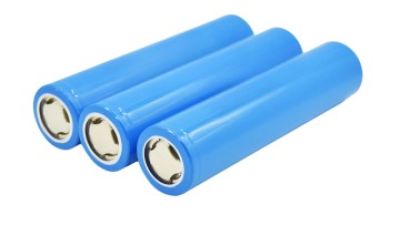
You know, there's definitely a growing buzz around sustainable energy solutions these days. It’s pretty exciting because, as a result, more folks are taking a serious look at emerging tech like the Sodium-Ion Cell. Lots of companies are diving into this new technology, seeing it as a real alternative to the traditional lithium-ion batteries.
Now, the Sodium-Ion Cell has some pretty cool advantages. For one, it uses raw materials that are much more abundant, which not only helps the environment but can also make production cheaper. That said, it’s not all smooth sailing — the energy density isn’t quite at the level of lithium-based options yet. Companies like Faradion and CATL are making some good progress, but there's still a lot of room for improvement.
If you're thinking about investing in Sodium-Ion Cell tech, it’s really important to do your homework. Businesses need to carefully evaluate what they actually need and what hurdles they might face along the way. Sourcing the right tech means understanding supply chains, scalability, and all those nuts-and-bolts things. This article will walk you through some key tips to help you navigate sourcing these batteries effectively, especially with so many players in the game.
Sodium-ion cell technologies are emerging as a promising alternative to traditional lithium-ion batteries. These cells use sodium ions instead of lithium, offering a unique perspective on Energy Storage. The main advantage lies in sodium's abundance and lower cost, making it an attractive option for various applications.
Researchers highlight several key components of sodium-ion technology. The cathode typically features materials like sodium manganese oxide or sodium iron phosphate, which are widely studied. Anode materials often use hard carbon, which provides good performance and cycle stability. However, the energy density of sodium-ion cells generally falls short compared to lithium-ion counterparts.
Despite these challenges, recent advancements show promise. For example, enhancements in electrolyte formulations are improving efficiency and lifespan. Manufacturers must address the ongoing issues of scalability and performance consistency. Overall, the exploration of sodium-ion cell technologies reveals both potential and obstacles. Continuous innovation and research are vital for this technology to become commercially viable.
The sodium-ion cell technology landscape is evolving rapidly. Notable players are emerging, driving innovation in cost-effective and sustainable alternatives to lithium-ion batteries. A recent report indicates that the global sodium-ion battery market is expected to grow at a compound annual growth rate (CAGR) of 15.4% from 2023 to 2030. Identifying key developers in this field is crucial. Their contributions will significantly influence market dynamics and technological advancements.
Several companies and research institutions are at the forefront. Their focus is on enhancing energy density and cycle life. Research indicates that sodium-ion cells can achieve comparable performance to lithium counterparts, with 40% lower costs. Challenges persist in terms of efficiency and longevity, requiring continuous improvement. This ongoing need for innovation presents opportunities for dedicated players in the industry.
Monitoring collaborations and partnerships is vital. These relationships often lead to breakthroughs in sodium-ion technology. Some projects have faced setbacks, revealing the complexities of scaling production. However, the overall trajectory remains positive, indicating a vibrant future for sodium-ion battery cell development. As manufacturers work to refine their technologies, understanding these key players and their strategies will benefit stakeholders in the evolving energy storage market.
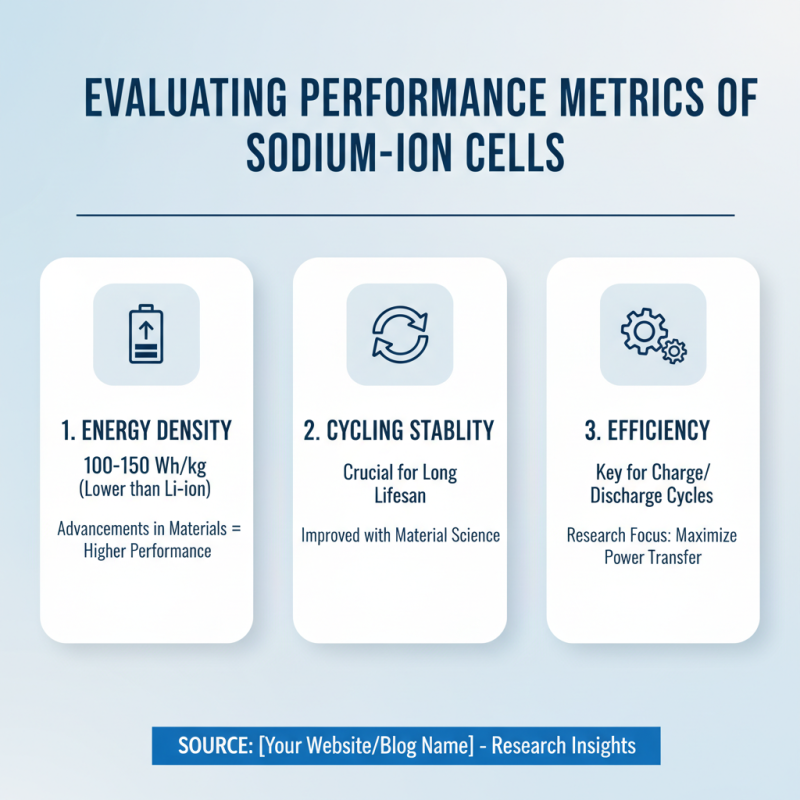
When evaluating the performance metrics of sodium-ion cells, it's crucial to analyze their energy density, cycling stability, and efficiency. Research indicates that sodium-ion cells typically offer an energy density between 100 to 150 Wh/kg. While this is lower than lithium-ion cells, advancements in materials can enhance performance metrics significantly.
Many industry experts recommend exploring various electrode materials. For instance, using hard carbon as an anode material can improve capacity retention over time. Reports show that sodium-ion cells can achieve over 80% capacity retention after more than 200 cycles, which is a promising sign for future applications.
It’s also essential to keep an eye on the cost-related metrics. Sodium is more abundant and cheaper than lithium, suggesting that large-scale production could be economically viable. However, the development of high-performance 18650 Sodium Ion Cells may still require optimization of the electrolyte and the electrode interface for better long-term stability. As the technology evolves, these improvements will likely make sodium-ion cells an attractive alternative for various applications.
The cost-effectiveness of sodium-ion cell technologies is a critical consideration for scalability. Companies must analyze materials and production costs closely. Sodium is abundant and often cheaper than lithium. This can significantly reduce initial expenses.
However, performance metrics are not always straightforward. Although sodium-ion cells can offer competitive energy densities, cycle life may be less favorable. Companies should conduct thorough testing to assess durability in real-world applications. Consumer perceptions also play a role; understanding market readiness is essential.
Research into alternative materials is ongoing. The balance between cost and efficiency needs to be refined. Companies may need to iterate on designs before finding the right fit. Customer feedback should inform these changes. Embracing a methodical approach will help in creating robust sodium-ion solutions.
When considering sodium-ion battery materials, sustainability is a key aspect. Sodium is abundant and more environmentally friendly than lithium. Sourcing materials for sodium-ion prismatic cells can provide a lower carbon footprint. Make sure to evaluate suppliers based on their environmental practices.
Join industry forums and attend conferences that focus on sodium-ion technology. Networking with experts will enhance your understanding. This can also lead to potential partnerships. Stay updated on research initiatives that explore eco-friendly materials.
Exploring local sources for sodium compounds can minimize transportation impacts. Assess the lifecycle of materials used in production. This reflection is crucial. Not all suppliers prioritize eco-friendly approaches. Conduct thorough assessments of your sourcing options to ensure alignment with sustainability goals.
Navigating regulatory considerations for Sodium-Ion technologies is essential for a successful market entry. Different regions have varied regulations. It’s crucial to understand local guidelines that govern battery manufacturing and safety. Many companies underestimate this step. Ensuring compliance can prevent costly setbacks.
Additionally, environmental assessments are becoming more stringent. Sodium-Ion Cell technologies promise lower environmental impacts but must prove this through rigorous testing. Complying with sustainability requirements is not optional; it can dictate product viability. Engaging with regulatory bodies early can provide clarity.
Lastly, investing time in understanding safety standards is vital. These standards often evolve, reflecting new research. A strong grasp of these regulations can lead to innovation. Ignoring them can result in recalls or legal penalties. Creating a safety-focused culture within your team can foster better compliance.
Sodium-ion batteries are gaining traction as an alternative to lithium-ion technology. Researchers are exploring innovative materials to enhance performance and reduce costs. New anode and cathode materials are being developed, making sodium-ion batteries more efficient. These advancements could lead to cheaper energy storage solutions.
One of the future trends is the pursuit of sustainable materials. Many researchers focus on using abundant, non-toxic resources. This shift may change the landscape of battery production. However, challenges remain. Producing high-density sodium-ion cells is still difficult. The efficiency of these batteries often lags behind their lithium counterparts.
Another area of innovation lies in improving cycle life. Enhancing longevity is essential for commercial viability. Current sodium-ion cells face issues with capacity fading over time. Solutions are being investigated, but achieving stability in performance is crucial. The journey of sodium-ion technology is still in its early stages, and while progress is promising, more work is needed to overcome existing barriers. These challenges require continued research and collaboration within the field.
This chart illustrates the growth in research focus on various aspects of sodium-ion battery technologies from 2020 to 2023. The areas of research include Energy Density, Cycle Life, Cost Efficiency, and Sustainability. As the demand for alternative energy storage solutions rises, sodium-ion batteries have gained significant attention in these key areas.
The development of sodium-ion batteries, particularly the 46145 model, represents a significant advancement for automotive start-up solutions. With a nominal voltage of 3.05V and a capacity of 20Ah, this cylinder-type battery is designed to meet the rigorous demands of modern vehicles. The nominal energy output of 61Wh and an impressive discharge rate of 5C highlight its capability to support high-performance applications, making it an ideal choice for the automotive industry seeking efficient energy solutions.
One of the most noteworthy features of the 46145 sodium-ion battery is its cycle life, which exceeds 3,000 times. This longevity is crucial for automotive applications, where reliability and performance are paramount. A long cycle life translates into reduced replacement costs and less environmental impact over the battery's lifespan. Furthermore, the battery's compact dimensions of 146.5mm in height and 46.7mm in diameter make it suitable for integration into various vehicle designs, optimizing space usage without compromising performance.
The three-year warranty offered for the sodium-ion battery underscores a commitment to quality and peace of mind for manufacturers and consumers alike. The ability to accept smaller orders allows start-ups and smaller manufacturers to enter the market without significant upfront investments. As the automotive sector increasingly embraces innovative energy solutions, the 46145 model stands as a promising option that balances efficiency, reliability, and sustainability, aligning well with industry trends aimed at reducing carbon footprints while enhancing vehicle performance.
: The market is projected to grow at a CAGR of 15.4% from 2023 to 2030.
Sodium-ion cells can achieve performance comparable to lithium-ion cells at 40% lower costs.
Important metrics include energy density, cycling stability, and efficiency.
Sodium-ion cells typically have an energy density between 100 to 150 Wh/kg.
Consider the abundance of sodium and the environmental practices of suppliers.
Exploring different electrode materials, like hard carbon, can enhance capacity retention.
Issues with efficiency and longevity require ongoing innovation and optimization.
Networking can provide insights and pave the way for potential collaborations.
It can help reduce transportation impacts and align with sustainability goals.
Conduct thorough assessments to ensure suppliers align with eco-friendly practices.
Sodium-Ion Cell technologies are emerging as a promising alternative to traditional lithium-ion batteries, offering potential advantages in sustainability and resource availability. This overview delves into the key aspects of sodium-ion cells, including an examination of major players in the development landscape and an assessment of performance metrics that influence their adoption.
Furthermore, cost-effectiveness is scrutinized, highlighting the economic viability of sodium-ion solutions in comparison to existing technologies. Sustainability considerations are also discussed, emphasizing the environmental benefits of sodium-ion battery materials. Finally, the article explores regulatory frameworks governing sodium-ion technologies and anticipates future trends and innovations that could shape the evolution of this field, paving the way for broader implementation and acceptance in various applications.