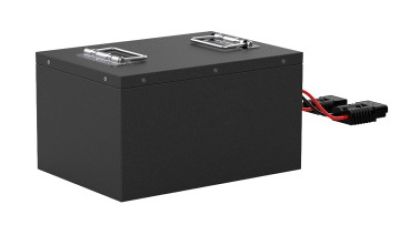
As we gear up for 2026, the world of Agv Batterytech is changing faster than ever. Industry experts keep pointing out how important it is to develop smarter solutions that are tailored to specific operational needs. I mean, Dr. Emily Johnson from TechBattery Corp, who’s pretty much a pro when it comes to battery innovation, once said, “Picking the right Agv Battery is a game-changer for keeping things efficient and avoiding unnecessary downtime.”
With more automated guided vehicles (AGVs) hitting the scene, the demand for reliable and efficient batteries is higher than ever. Companies aren’t just looking at performance—they’re also focused on things like how long the batteries last and how quickly they can be charged. Today’s AGV tech really pushes batteries to handle bigger workloads, but honestly, figuring out which options are best can be pretty overwhelming.
Some common mistakes to watch out for? Underestimating how many charge cycles a battery can handle, ignoring proper maintenance, or not considering how well the battery fits with existing systems. All of these little things can really impact overall efficiency. Looking into new, innovative solutions can spark some interesting conversations about where Agv Battery tech is heading. The journey to better batteries is still happening, and everyone involved needs to stay flexible and ready for change.

Overview of AGV Batteries: Types and Technologies
Understanding AGV batteries is crucial for ensuring optimal performance. These batteries power Automated Guided Vehicles, which are essential in various industries. The main types of AGV batteries include lead-acid, lithium-ion, and nickel-based options. Each type offers unique advantages and limitations, impacting the choice for specific applications and operational needs.
Lithium-ion batteries are gaining traction. They offer higher energy density and longer life cycles than lead-acid batteries. However, they can be more expensive upfront. Lead-acid batteries, while cheaper, require more maintenance and have a shorter lifespan. This trade-off often leads to reflection on long-term costs versus initial investment for many businesses.
Choosing the right Agv Battery Pack involves careful consideration. Capacity, charging times, and environmental conditions are key factors. Users must also think about safety features and compatibility with existing systems. Consultation with industry experts can provide valuable insights, making the decision process more informed. In the rapidly advancing field of robotics, staying updated on battery technologies is essential for efficiency.
Key Factors to Consider When Selecting AGV Batteries
When selecting AGV batteries, various key factors come into play. Capacity is essential. The battery must match the operational demands of the automated guided vehicles. Reports indicate that batteries with higher energy density are becoming increasingly popular. This is due to their compact size, which allows for more efficient use of space in AGVs. Choosing batteries with a capacity of 48V or higher can lead to significant operational benefits.
Consider the battery life cycle as well. A longer cycle life can reduce replacement frequency and overall costs. Data shows that lithium-ion batteries can provide around 2,000 cycles compared to just 500 for traditional lead-acid options. While lithium-ion batteries are more costly upfront, their longevity often justifies this expense, saving companies money in the long run.
Charging time is another factor to weigh carefully. Fast-charging options may enable AGVs to operate more efficiently. However, this comes with trade-offs. Fast-charging may lead to reduced battery life over time. Organizations should assess their specific operational needs when seeking the best balance regarding charging speed and battery longevity. Making informed decisions based on these factors is crucial for optimizing AGV performance in the coming years.
Performance Metrics: Efficiency and Runtime of AGV Batteries
When evaluating AGV battery solutions for 2026, battery efficiency and runtime are critical performance metrics. In the logistics industry, the demand for efficient batteries is rising. Reports show that batteries with a runtime exceeding eight hours can significantly enhance operational productivity. AGVs equipped with these batteries can operate longer, reducing downtime and increasing throughput.
Battery chemistry plays a key role in performance. Lithium-ion batteries have become increasingly popular due to their lighter weight and higher energy density. A study highlights that lithium-ion AGV batteries can offer up to 30% more efficiency compared to traditional lead-acid options. However, the initial cost of lithium-ion technology might warrant careful financial consideration.
Lifetime and charge cycles also matter. Many operators overlook the fact that a battery’s efficiency diminishes with each cycle. A reliable 48v Agv Battery can still lose up to 20% of its performance after a few years. Regular maintenance can mitigate some of this decline, yet not all operators prioritize it. As the market evolves, striking a balance between cost, efficiency, and longevity remains a challenge for many businesses.
Charging Solutions: Fast Charging vs. Standard Charging Options
In the landscape of automated guided vehicles (AGVs), battery selection is crucial. One key aspect is charging solutions. Fast charging has gained traction in recent years. It allows AGVs to recharge quickly, reducing downtime significantly. Reports indicate that fast charging can cut recharging time by up to 80%. This efficiency translates into increased productivity on the floor.
Yet, fast charging comes with its own set of challenges. The initial investment can be higher compared to standard charging systems. Fast chargers require advanced technologies that may not be applicable to all AGV models. Therefore, organizations must assess whether such an investment aligns with their operational needs. A study published in the Journal of Industrial Battery Systems found that while fast charging improves operational efficiency, careful management of thermal conditions during charging is critical.
Standard charging still holds value in various scenarios. It typically involves lower upfront costs and requires less infrastructure. However, it may lead to longer downtime. In an industry where time equates to money, this can become a critical disadvantage. Understanding the specific operational environment is essential for making informed choices about charging methods. Balancing speed and cost-effectiveness should be a priority for AGV users looking toward 2026.
Safety and Environmental Considerations for AGV Batteries
When selecting battery solutions for Automated Guided Vehicles (AGVs), safety and environmental impact are crucial. The battery type affects both performance and sustainability. Lithium-ion and lead-acid batteries offer distinct pros and cons. For instance, lithium-ion is lighter and offers longer cycle life, while lead-acid is often deemed more reliable. However, lead-acid batteries can contain harmful materials. Proper disposal and recycling options must be considered.
Safety is paramount when using an AGV battery pack. Overheating and chemical leaks can pose serious risks. Regular maintenance of systems and training for operators is essential. Understanding the local regulations surrounding battery use is also necessary. In addition, the 48v Agv Battery Pack is becoming popular for its balance of power and efficiency.
Environmental considerations are gaining traction. Selecting greener options can mitigate ecological footprints. Companies may explore new technologies that reduce emissions. Life cycle assessments help in choosing sustainable materials. This approach not only aligns with regulations but also appeals to conscious consumers. Balancing performance, safety, and eco-friendliness requires careful thought. Improvement areas should always be identified for future enhancements.
Top AGV Battery Solutions for 2026
This chart displays the safety ratings of various AGV battery solutions projected for 2026. The ratings range from 1 to 10, with higher values indicating better safety performance.
Cost Analysis: Budgeting for AGV Battery Solutions
When budgeting for Automated Guided Vehicle (AGV) battery solutions, understanding costs is crucial. The initial investment can be high, but looking beyond price helps in making informed decisions. Lifespan and efficiency of batteries affect their long-term value. Cheaper batteries may require frequent replacements, increasing operational costs over time.
Moreover, consider the total cost of ownership. This includes maintenance and energy consumption. Some batteries may perform poorly under heavy usage, leading to higher energy bills. Planning for these expenses can prevent financial strain down the road. Green energy options, though initially pricier, can save money while reducing environmental impact.
It's also wise to factor in technological advancements. Battery technologies are rapidly evolving. Investing in newer solutions might seem costly now, but they could offer greater reliability and longevity. Reflecting on these variables ensures a balanced view on AGV battery expenditures.
Future Trends in AGV Battery Technology for 2026 and Beyond
The future of AGV battery technology is exciting yet complex. Emerging trends suggest a shift towards more efficient, sustainable solutions. AGV Lithium Batteries are gaining traction for their enhanced energy density and longevity. These batteries can potentially reduce downtime significantly with faster charging times. However, the challenge remains in balancing performance and cost.
Manufacturers are exploring solid-state batteries, pushing the boundaries of safety and efficiency. These innovations could lead to lighter systems, reducing the overall weight of AGVs. Still, there are concerns regarding production scalability and material availability. The industry must ensure that new technologies do not compromise reliability in high-demand environments.
Consideration of recycling and end-of-life management is critical. Sustainable practices are becoming a priority, driven by regulations and consumer demand. As Agv Lithium Batterycapabilities grow, so does the need for effective disposal methods. Engaging with stakeholders for best practices will be essential in mitigating environmental impact. AGV technology must evolve responsibly while meeting the needs of various industries.
Top AGV Battery Solutions for 2026: What to Consider?
| Battery Type | Energy Density (Wh/kg) | Cycle Life (Charge/Discharge) | Charging Time (Hours) | Temperature Range (°C) | Cost per kWh ($) |
| Lithium-Ion | 150 | 2000 | 1.5 | -20 to 60 | 150 |
| Lead-Acid | 40 | 500 | 8 | 0 to 40 | 100 |
| Nickel Metal Hydride | 90 | 1000 | 2 | -20 to 50 | 120 |
| LFP (Lithium Iron Phosphate) | 100 | 3000 | 1.2 | -20 to 60 | 180 |
| Sodium-ion | 70 | 1500 | 3 | -10 to 50 | 90 |
Maximizing Performance and Longevity with Customized 48V Lithium Golf Cart Batteries
Customized 48V lithium golf cart batteries are revolutionizing performance and longevity in the electric vehicle sector. With a nominal capacity of 65Ah and rated energy of 3120Wh, these batteries offer exceptional power and reliability for golfers who demand a consistent and efficient ride. The prismatic LiFePO4 cells used in these batteries ensure a longer life cycle, contributing to overall sustainability in the golf cart industry. Additionally, the operating temperature range of -20 to 65°C guarantees performance in a variety of environmental conditions, making these batteries suitable for both summer and winter usage.
The durability of these batteries is enhanced by the innovative iron housing and integrated battery management system (BMS). This not only protects the internal components but also enhances safety and operational efficiency. With customized sizing and connector options, these batteries can be tailored to fit various golf cart models, ensuring seamless integration and optimal performance. The five-year warranty offers peace of mind, showcasing confidence in the product's longevity and reliability. Industry reports indicate that the shift towards customized, high-performance battery systems can significantly improve energy efficiency by up to 30%, making them a compelling choice for golf cart enthusiasts and operators.
In conclusion, investing in customized 48V lithium golf cart batteries is a strategic move for maximizing both performance and lifespan. With advancements in battery technology and increased focus on sustainable solutions, golfers can enjoy a superior experience while contributing to a greener future in the sports sector.
FAQS
They are compact and allow efficient space use in AGVs, enhancing overall performance.
A longer cycle life reduces replacement frequency, saving money on costs over time.
Lithium-ion batteries offer about 2,000 cycles, while lead-acid provides only around 500 cycles.
Fast charging can enhance efficiency but may shorten battery lifespan in the long run.
They should analyze the total cost of ownership, including maintenance and energy consumption.
Emerging trends include solid-state batteries that promise better safety and efficiency.
Sustainable disposal practices are critical due to regulations and increasing consumer demand for environmental responsibility.
Newer technologies may offer improved reliability but must also remain cost-effective and sustainable.
Considering lifespan and efficiency helps avoid financial strain and promotes informed decision-making on expenditures.
Conclusion
As the demand for Automated Guided Vehicles (AGVs) grows, selecting the right AGV battery becomes crucial for operational efficiency. AGV batteries come in various types and technologies, each with its own advantages. Key factors to consider include performance metrics like efficiency and runtime, which significantly impact productivity. Additionally, understanding the available charging solutions, whether fast charging or standard options, is essential for minimizing downtime.
Safety and environmental considerations cannot be overlooked when evaluating AGV battery solutions. Cost analysis is also important, as budgeting for AGV batteries must align with overall operational goals. Looking ahead to 2026 and beyond, emerging trends in AGV battery technology promise to enhance performance and sustainability, making it vital for businesses to stay informed and adapt to these innovations.