As we move toward 2026, it's becoming pretty clear that Energy Storage tech is changing fast, and one thing that’s really catching everyone's eye is theLead-Acid Replacement Lithium Battery. These batteries are turning out to be quite the game changer. They've got some major perks over the old-school lead-acid batteries — they're lighter, more efficient, and last way longer.
Big players like Tesla and A123 Systems are really pushing this tech forward, which gives us confidence that these batteries are reliable and ready for prime time. That said, no innovation is perfect — there are still some hurdles. For instance, they usually cost more upfront, which might make some folks hesitant if they’re used to the traditional batteries. But honestly, looking at the long-term savings and advantages, it’s often worth the extra initial investment.
With the world leaning more toward sustainable energy, these lithium batteries are becoming a hot topic for research and development. As things evolve, understanding what makes these batteries special is more important than ever. Businesses need to think not just about their immediate needs but also where they want to be down the line. This shift could totally change the way we think about energy storage across different fields.
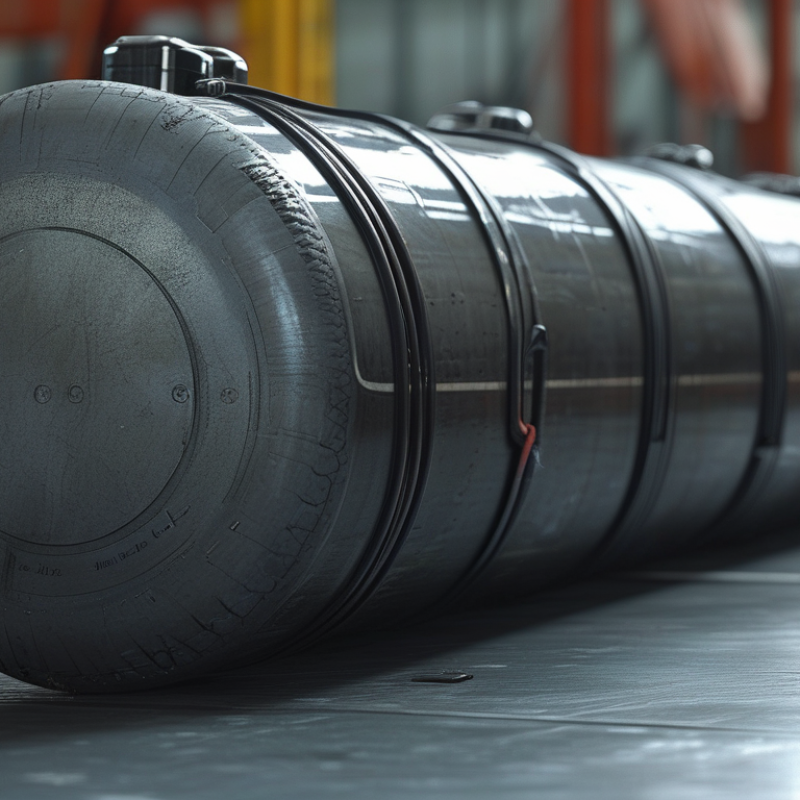
Advantages of Lithium Batteries Over Lead-Acid Batteries
The transition to lithium batteries from lead-acid batteries offers multiple advantages, especially as industries face evolving energy requirements. Lithium batteries have emerged as a game-changer. According to a report from the International Energy Agency, lithium batteries provide nearly three times the energy density of lead-acid alternatives. This means a smaller and lighter Battery can power devices longer.
One major aspect is their longer lifespan. Lithium batteries can endure up to 3,000 charge cycles, while lead-acid batteries typically only manage around 500. As a result, users face less frequent replacements, leading to reduced waste. Notably, lithium options show less degradation over time—down to about 20% after many cycles—compared to the 50% reduction often seen in lead-acid batteries.
Despite these benefits, it's essential to consider the higher upfront costs of lithium batteries. Initial investment can be a barrier for some users. However, when evaluated over the lifetime, the total cost of ownership often favors lithium because of lower maintenance and replacement needs. Transitioning to a Lead-Acid Replacement lithium battery model represents not only a technological upgrade but also a potential rethink of long-term financial strategies.
Top Benefits of Lead-Acid Replacement Lithium Battery for 2026
| Benefit | Description | Comparison with Lead-Acid |
| Higher Energy Density | Lithium batteries are lighter and store more energy compared to lead-acid batteries. | Lead-acid batteries are heavier and provide less energy per weight unit. |
| Longer Lifespan | Typically, a lithium battery lasts 2-3 times longer than lead-acid batteries. | Lead-acid batteries usually have a shorter cycle life and need more frequent replacements. |
| Faster Charging | Lithium batteries can be charged much faster than lead-acid batteries. | Lead-acid batteries typically take longer to reach full charge. |
| Lower Self-Discharge Rate | Lithium batteries have a significantly lower self-discharge rate, maintaining charge longer. | Lead-acid batteries can lose charge quickly if not maintained properly. |
| Reduced Maintenance | Lithium batteries require minimal maintenance compared to lead-acid batteries. | Lead-acid batteries often require regular topping off of electrolyte levels. |
Enhanced Energy Efficiency in Lithium Battery Technologies
The shift to lithium batteries offers notable improvements in energy efficiency. Unlike traditional lead-acid batteries, lithium technologies provide higher energy density. This means more power in a smaller, lighter package. Users notice substantial weight reductions in applications like electric vehicles or renewable energy systems. This increased efficiency translates into longer operating times and reduced energy costs.
However, the transition to lithium is not without challenges. Initial costs can be higher than lead-acid options. Some users may question the long-term longevity and performance in extreme conditions. Compared to lead-acid batteries, lithium batteries degrade differently over time, often with distinct discharge characteristics. Understanding these nuances is critical for users weighing their options carefully.
Convincing evidence supports the performance benefits of lithium technologies. Energy efficiency enhancements translate to better battery life and sustainability. As users become more informed, they can more effectively choose the right power solutions for their needs. The discussion around battery choice stays vibrant, driven by ongoing advancements in battery tech and user experiences.
Longer Lifespan of Lithium Batteries Compared to Lead-Acid Options
The transition from lead-acid batteries to lithium batteries is gaining momentum. A major advantage lies in lifespan. Lithium batteries outlast their lead-acid counterparts significantly. Many lithium options can last up to 10 years or more with proper care. This longevity reduces the need for frequent replacements, saving both time and money.
Moreover, lithium batteries maintain higher performance levels throughout their lifespan. They charge faster and deliver power more efficiently. This is crucial in applications where reliability is key. In contrast, lead-acid batteries tend to degrade over time, leading to reduced capacity and shorter usage periods. Users often find themselves grappling with decreased performance.
However, there are challenges with lithium, including initial costs and specific charging requirements. Some may question whether this investment is worth it. It’s essential to weigh these factors against the benefits of a longer-lasting, more efficient battery. Adopting a Lead Acid Replacement Battery could reshape future energy needs, yet careful consideration is necessary before making the switch.
Faster Charging Capabilities of Lithium Batteries
Lithium batteries have emerged as a strong alternative to traditional lead-acid batteries, particularly in the area of charging efficiency. In 2026, industries adopting lithium technology can benefit from faster charging times that fundamentally transform energy usage. Research indicates that lithium batteries charge up to five times quicker than lead-acid equivalents. This not only increases operational efficiency but also reduces downtime for equipment.
The capacity of lithium batteries to handle higher charge currents allows for speedy recharging. For example, a lithium battery can recharge at rates up to 1C, which means it can fully charge in just one hour. In contrast, lead-acid batteries commonly require several hours to achieve a comparable charge. This swift recharge ability is vital in sectors like electric vehicles and renewable energy systems where time and performance are critical.
However, skeptical viewpoints remain regarding lithiums' long-term cycle life compared to lead-acid options. Some reports cite that while lithium batteries provide rapid energy replenishment, their overall lifespan may differ under extreme conditions. Further exploration into battery management systems and thermal regulation is necessary for optimal performance. As more businesses consider transitioning to Lead-acid Replacement Battery solutions, balancing speed and longevity will be essential for maximizing investment.
Lightweight Design Benefits of Lithium Battery Solutions
Lithium batteries have become a popular choice for lead-acid replacements. Their lightweight design is a major advantage. A lithium battery can be up to 70% lighter than an equivalent lead-acid battery. This reduction in weight improves vehicle performance and extends range. For electric vehicles, this means better efficiency and longer trips.
The impact of a lightweight design goes beyond just performance. It also influences handling. Vehicles equipped with lighter batteries often experience enhanced maneuverability. This improvement can be particularly noticeable in sports vehicles or those built for agility. Additionally, the reduced weight can lead to lower energy consumption. This makes electric solutions more sustainable in the long term.
However, shifting to lithium technology is not without challenges. Users may face higher upfront costs. Battery disposal and recycling also raise questions. There's ongoing research to address these issues. Despite drawbacks, the trend towards lightweight, energy-dense batteries seems clear. As technology improves, we can expect further innovations in this space.
Environmental Impact: Lithium vs Lead-Acid Batteries
The environmental impact of batteries is crucial in today’s world. Lead-acid batteries have long been the standard choice, but they come with significant drawbacks. These batteries contain toxic materials, which can leach into the environment. Their production and disposal process often leads to pollution. In contrast, lithium batteries present a cleaner alternative. They are lighter, have higher energy densities, and typically last longer. This longevity means fewer batteries consumed over time, reducing the overall environmental footprint.
Another critical point of comparison is recycling. Lead-acid batteries are recyclable, but the recycling process can be hazardous. On the other hand, lithium batteries also have recycling challenges, yet advancements are being made. Companies are developing technologies that enable more efficient recycling of lithium. By replacing lead acid battery with lithium options, we can support a transition towards greener solutions.
However, the lithium mining process poses its own environmental concerns. Water usage and land disruption need serious attention. Not every lithium battery is created equal; sourcing methods matter. As consumers, we must reflect on these impacts. Balancing battery technology with environmental responsibility is key for the future.
Top Benefits of Lead-Acid Replacement Lithium Battery for 2026
This chart illustrates the environmental impact of Lithium versus Lead-Acid batteries in terms of key metrics such as CO2 emissions reduction, lifespan, weight efficiency, and energy density.
Cost-Effectiveness of Lithium Batteries in Long-Term Use
As the demand for energy solutions grows, lithium batteries are emerging as a cost-effective alternative to traditional lead-acid batteries. A study by the Department of Energy indicates that lithium batteries can provide a longer lifespan, often exceeding 10 years, which dwarfs the typical 3 to 5 years for lead-acid batteries. This extended longevity translates to fewer replacements, reducing overall costs.
In long-term use, lithium batteries showcase impressive efficiency. They can provide up to 95% depth of discharge, compared to 50% for lead-acid. This means users can utilize more of the energy stored, leading to lower operational costs. A report from Battery University highlighted that, on average, lithium technology can save users around 30% on energy costs over a decade, despite higher initial investment costs.
It’s essential to acknowledge that while lithium batteries have many advantages, they require careful management. Improper charging or discharge can lead to decreased performance and potential safety issues. Users must also consider recycling and environmental impacts. The transition to lithium technology prompts questions about disposal and sustainability. Developing strategies for battery recycling remains a critical area for improvement.
Advancements in Energy Storage: Analyzing the Impact of 5kWh to 30kWh High Voltage Iron Phosphate Lithium Batteries on Renewable Power Systems
The advancement of energy storage systems has become crucial in optimizing the efficiency of renewable power systems. High voltage iron phosphate lithium batteries in the range of 5kWh to 30kWh offer significant benefits for both off-grid and hybrid grid applications. These stackable batteries, utilizing prismatic LiFePO4 cells, not only provide a robust energy storage solution but also ensure modular scalability, allowing users to customize their storage capacity according to their needs. The modular design enables easy expansion, with the potential for total capacities reaching up to 75kWh when stacking multiple units.
Furthermore, the impressive cycle life of these batteries, exceeding 6000 cycles, coupled with a warranty of 10 years, showcases their long-term reliability and durability for frequent charging and discharging. With a protection rating of IP65, these batteries are also designed to withstand various environmental conditions, making them an excellent choice for energy storage systems that support sustainable energy initiatives. The incorporation of advanced communication protocols like CAN and RS485 further enhances the management capabilities of these power systems, streamlining functionality in renewable energy installations.
FAQS
: Lithium batteries can charge up to five times quicker than lead-acid options.
Lithium batteries can recharge at rates up to 1C, fully charging in about one hour.
Sectors like electric vehicles and renewable energy systems benefit greatly from fast charging capabilities.
Yes, lithium batteries often last over 10 years, compared to 3 to 5 years for lead-acid batteries.
Lithium batteries can provide up to 95% depth of discharge, while lead-acid batteries offer around 50%.
Yes, skepticism exists regarding their cycle life under extreme conditions compared to lead-acid batteries.
Proper charging and discharge practices are vital to maintain performance and safety.
Recycling and disposal present challenges as the demand for lithium technology grows.
Lithium batteries typically have higher initial costs but can save users about 30% on energy over a decade.
They need to balance speed and longevity for optimal investment returns.
Conclusion
The "Lead-Acid Replacement Lithium Battery" offers numerous advantages over traditional lead-acid batteries, making it an increasingly popular choice for various applications. One of the most significant benefits is enhanced energy efficiency, as lithium battery technologies allow for more effective energy storage and consumption. Additionally, these batteries boast a longer lifespan, meaning they can outlast lead-acid options significantly, providing better value over time.
Lithium batteries also feature faster charging capabilities, allowing users to reduce downtime and improve overall productivity. Their lightweight design further enhances usability, especially in mobile applications. From an environmental perspective, lithium batteries present a more sustainable option, with a lesser impact compared to lead-acid alternatives. Lastly, when considering long-term use, lithium batteries prove to be more cost-effective, making them an ideal choice for the future of energy storage.