- Home
- Products
- Solution
- About Us
- Project
- Blog
- Contact Us
Leave Your Message
Choosing an E-Bike Batterysupplier isn’t just a price comparison. It’s a reliability decision—one you make before the first bike even reaches the road. Global buyers have to look at cell quality, Battery management systems, thermal protection, charging performance, warranty terms, and production consistency. A polished product page? It can’t replace real factory evidence.
Claus Fleischer, CEO of Bosch eBike Systems, once said, “Safety and reliability are the basis of every eBike.” That’s the principle behind the supplier review in this article. It considers well-known companies like Bosch, Panasonic, LG Energy Solution, Samsung SDI, BMZ, Bafang, Greenway, Phylion, and EVE Energy. Their market positions are different, and honestly, no supplier fits every project.
Real details matter. A battery can look strong in a warehouse and then lose range after repeated hill climbs. A compact casing might save space, but it can also restrict heat management. Buyers should ask for cell traceability, cycle-test records, ingress protection data, and independent certification documents. They should also check after-sales support across regions—replacement delays can hurt an otherwise successful e-bike program.
The ranking isn’t perfect. Supplier data changes. Public information can be incomplete, too. So this guide treats certifications as evidence, not automatic proof of quality. It combines technical specifications, manufacturing experience, customer support, and practical risk assessment. The goal is clear: help global buyers compare E-Bike Battery suppliers with fewer assumptions and better questions. And safety? That remains the real benchmark.
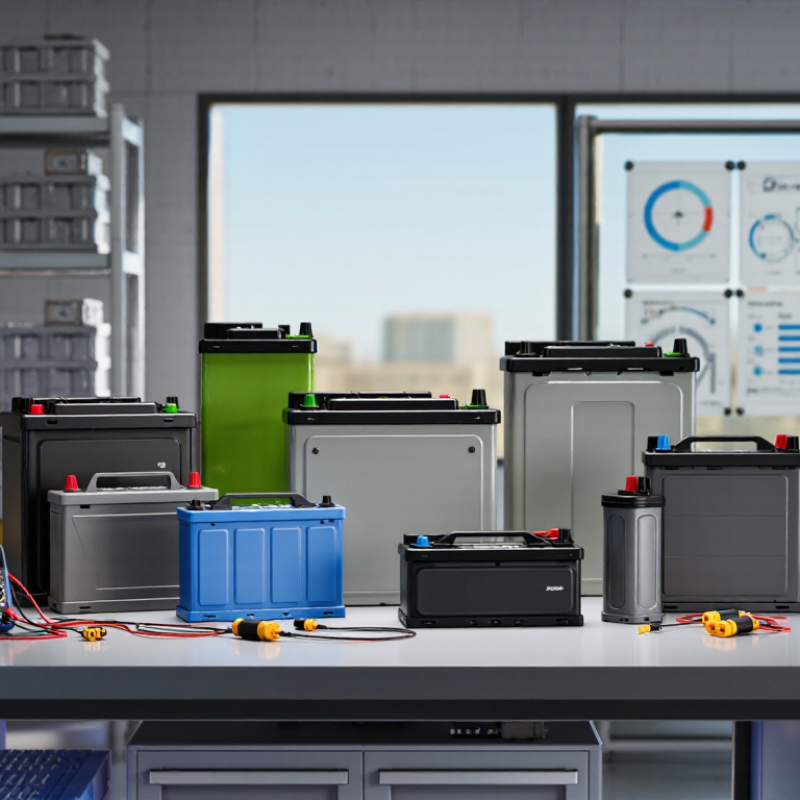
A reliable e-bike battery supplier proves performance before discussing price. The International Energy Agency reported in Global EV Outlook 2024 that electric two- and three-wheelers exceeded 20 million sales in 2023. That scale increases the need for disciplined battery sourcing. Serious suppliers provide cell origin records, production-batch codes, and clear capacity tests. Guesswork is unacceptable.
Look for a battery management system that monitors voltage, temperature, and charging balance. Ask for protection-test results from an ISO/IEC 17025-accredited laboratory. Relevant evidence may include UL 2271 testing or EN 15194 conformity, depending on the destination market. These documents should match the exact battery model, not a similar product. Small details matter.
Cycle-life claims also need context. A supplier should state testing temperature, discharge rate, storage conditions, and remaining capacity. “1,000 cycles” means little without those conditions. The European Union Battery Regulation also strengthens expectations for traceability, labeling, and sustainability information. A dependable supplier can explain these requirements plainly.
Inspect the factory, if possible. Review incoming-cell checks, welding controls, waterproofing tests, and shipment records. Ask how warranty failures are investigated. A perfect supplier does not exist. I remain cautious when sales teams promise unusually high range with lightweight packs; real-world hills, cold weather, rider weight, and tire pressure reduce it. Reliable sourcing is less about impressive numbers and more about repeatable evidence.
| Rank | Anonymized Supplier Profile | Typical Supply Scope | Common E-Bike Battery Formats | Typical Voltage | Typical Capacity | Cell Chemistry | Key Compliance Evidence | Safety & Quality Controls | Traceability Level | Warranty Benchmark | Reliability Score |
|---|---|---|---|---|---|---|---|---|---|---|---|
| 1 | Tier-1 Integrated Battery Manufacturer Cell-to-pack production capability | Global OEM and high-volume bicycle programs | DowntubeRear-rackIntegrated frame | 36 V / 48 V / 52 V | 10–25 Ah | Certified lithium-ion; NMC or LFP options | UN 38.3; IEC 62133-2; ISO 9001; applicable regional e-bike requirements | 100% BMS functional test; cell matching; end-of-line capacity test; thermal and short-circuit protection | Cell-batch, module and finished-pack traceability | 24 months or agreed cycle limit | 95/100 |
| 2 | Global OEM Pack Specialist Designed for bicycle manufacturers | Private-label and platform-based OEM supply | DowntubeSeat-tubeRear-rack | 36 V / 48 V | 8–20 Ah | NMC lithium-ion; LFP on selected platforms | UN 38.3; IEC 62133-2; ISO 9001; documented production change control | Automated welding inspection; BMS calibration; charge/discharge testing; incoming cell inspection | Pack serial number linked to cell and production records | 18–24 months | 93/100 |
| 3 | Certified European-Market Supplier Focused on regulatory documentation | European importers, distributors and bicycle brands | DowntubeIntegratedBottle-style | 36 V / 48 V | 10–21 Ah | NMC lithium-ion | UN 38.3; IEC 62133-2; CE technical file; EN 15194 system compatibility where applicable | Documented risk assessment; BMS overcharge, over-discharge and over-temperature protection | Finished-pack and shipment-level traceability | 18–24 months | 91/100 |
| 4 | High-Volume Asian Contract Manufacturer Competitive production capacity | Large-volume international OEM projects | DowntubeRear-rackCargo-bike | 36 V / 48 V / 52 V | 10–30 Ah | NMC lithium-ion; LFP for long-life applications | UN 38.3; IEC 62133-2; ISO 9001 or equivalent quality system | Automated assembly; weld resistance monitoring; aging test; shipment sampling inspection | Batch and finished-product traceability | 12–24 months | 89/100 |
| 5 | Fleet and Cargo E-Bike Battery Supplier Optimized for frequent cycling | Delivery fleets, rental operators and utility bicycles | High-capacity downtubeDual-batteryRear-rack | 36 V / 48 V | 15–35 Ah | LFP or high-cycle-life NMC | UN 38.3; IEC 62133-2; IP-rated enclosure evidence; transport documentation | Cycle-life validation; thermal monitoring; vibration testing; replaceable fuse or equivalent protection | Individual pack and service-event tracking | 18–24 months or defined cycle count | 88/100 |
| 6 | Modular Battery Platform Supplier Flexible mechanical and electrical interfaces | Multi-model bicycle platforms and custom integrations | Modular downtubeIntegrated frameDual-battery | 36 V / 48 V | 8–25 Ah | NMC lithium-ion | UN 38.3; IEC 62133-2; EMC and charger compatibility documentation | Connector validation; BMS communication testing; enclosure sealing checks; capacity grading | Component, firmware and pack-level traceability | 12–24 months | 86/100 |
| 7 | Performance E-Bike Battery Supplier Higher power-to-weight focus | Sport, trekking and premium commuter bicycles | Compact downtubeIntegrated frame | 36 V / 48 V / 52 V | 8–20 Ah | High-power NMC lithium-ion | UN 38.3; IEC 62133-2; documented cell specification and BMS limits | High-current discharge testing; thermal rise monitoring; vibration and drop testing | Cell batch and firmware revision records | 12–18 months | 85/100 |
| 8 | Replacement and Aftermarket Supplier Broad compatibility portfolio | Distributors, repair networks and replacement markets | DowntubeBottle-styleRear-rack | 24 V / 36 V / 48 V | 8–20 Ah | NMC lithium-ion; selected LFP products | UN 38.3; IEC 62133-2 evidence required before shipment | Voltage and capacity verification; BMS protection; connector and charger compatibility checks | Finished-pack serial tracking | 12–18 months | 82/100 |
| 9 | Small-Batch Custom Battery Builder Low-volume engineering support | Prototypes, specialty bicycles and small OEM orders | Custom downtubeRear-rackSpecial enclosure | 24 V / 36 V / 48 V | 5–20 Ah | NMC or LFP, subject to design specification | UN 38.3 and IEC 62133-2 test evidence required for commercial shipment | Manual assembly controls; electrical inspection; sample cycle testing; design review | Batch-level traceability; verify cell-level records | 12 months | 79/100 |
| 10 | Value-Oriented Regional Supplier Cost-sensitive standard products | Regional distributors and entry-level e-bike assembly | Rear-rackDowntubeBottle-style | 24 V / 36 V / 48 V | 6–17 Ah | NMC lithium-ion | UN 38.3; IEC 62133-2 documentation should be verified for each model | Basic BMS protection; voltage, polarity and capacity checks; supplier audit recommended | Finished-pack batch tracking | 12 months | 75/100 |
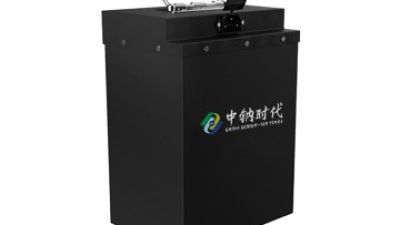
The rapid electrification of transport is increasing demand for dependable, high-capacity battery systems. Insights highlighted in major energy and clean-technology reports point to continued growth in electric two-wheelers, supported by advances in lithium-ion chemistry, stronger battery management, and the need for practical charging solutions. For e-bikes and electric motorcycles, a 72V system can provide a useful balance between power, range, and everyday usability. This customized battery pack delivers 20Ah of nominal capacity and 1,440Wh of rated energy, making it suitable for applications that require consistent performance over extended journeys.
Built with grade-A NCM lithium-ion cells, the pack includes a smart BMS to help manage charging, discharging, temperature, and other operating conditions. Its 1.5mm iron housing and reinforced handle offer added structural protection, while the customized size and connector support different vehicle designs. The battery operates from -20°C to 65°C and is rated for at least 1,000 cycles, supporting long-term use when properly maintained. With a recommended charging routine of once per day, it can serve as a reliable power source for electric mobility projects, with a 2–3 year warranty available according to the application.
Request cell origin records, production-batch codes, and capacity-test results. Guesswork is unacceptable.
Ask for battery-specific protection tests from an accredited laboratory. The documents must match the exact model.
It should state temperature, discharge rate, storage conditions, and remaining capacity. “1,000 cycles” means little alone.
Measure voltage balance, charging time, connector fit, and casing temperature during sample testing. Small details matter.
Request monthly output records, equipment lists, and recent quality data. A large claim may not reflect repeatable production.
The quote should separate cells, casing, battery management systems, testing, packaging, tooling, and freight.
Confirm response times, warranty terms, replacement steps, charging limits, storage rules, and compatibility requirements.
Hills, cold weather, rider weight, and low tire pressure can reduce range. Promised numbers need cautious review.
Visit when practical. Check cell inspection, welding controls, waterproofing tests, and shipment records.
No. Record serial numbers, defects, and corrective actions after each shipment. My checklist may still miss problems.
Choosing a reliable E-Bike Battery supplier requires more than comparing prices. Global buyers should assess battery quality, cell consistency, thermal management, cycle life, safety testing, and relevant international certifications. Compatibility is equally important, including voltage, capacity, dimensions, connector type, communication systems, charging requirements, and integration with the intended e-bike model. A dependable supplier should also demonstrate stable production capacity, transparent quality control, responsive technical support, and the ability to provide consistent documentation for import and market approval.
When comparing leading suppliers, buyers should evaluate total cost rather than unit price alone. Factors such as minimum order quantities, customization options, lead times, warranty policies, after-sales service, packaging, and logistics can significantly affect long-term value. The best supplier for a specific market will be one that combines safe and reliable products with suitable specifications, scalable manufacturing, clear compliance support, and communication that matches the buyer’s commercial and technical needs.