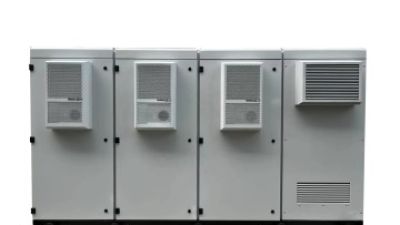
So, you're trying to pick from the Top 10 Power Storage Systemsfor global buyers? It's not just a Battery-capacity beauty contest. A 100 kWh setup might be plenty for a small commercial building, but a 1 MWh system could be what a factory or solar farm needs. And before you decide, look at usable energy, round-trip efficiency, cycle life, thermal management, warranty details, and software compatibility. How it's installed matters, too—a system in Dubai will have very different cooling needs than one in Toronto.
This guide walks through some of the big names: Tesla, BYD, Fluence, Sungrow, CATL, Wärtsilä. We're looking at real-world performance, documented specs, service networks, and long-term operating risks. Independent certifications and local grid rules? Yeah, those deserve a close look as well. A great product isn't automatically the right product for you. Project size, electricity tariffs, financing, and maintenance access can all flip the answer.
Real projects tend to show stuff brochures conveniently skip. Cabinet spacing affects airflow. A replacement part that shows up late can hurt availability. Software updates might improve control, but they can also mean you need trained technicians on hand. No single ranking works for every market—that's a key limitation. So this comparison is meant to help you make a careful decision, not crown one universal winner. Ask for recent test data, clear degradation assumptions, and references from similar installations. Specs can change as manufacturers update their platforms. Even experienced teams should double-check them before signing contracts. Think of this review as a practical starting point for evaluating Power Storage Systems with more confidence—and fewer costly surprises.
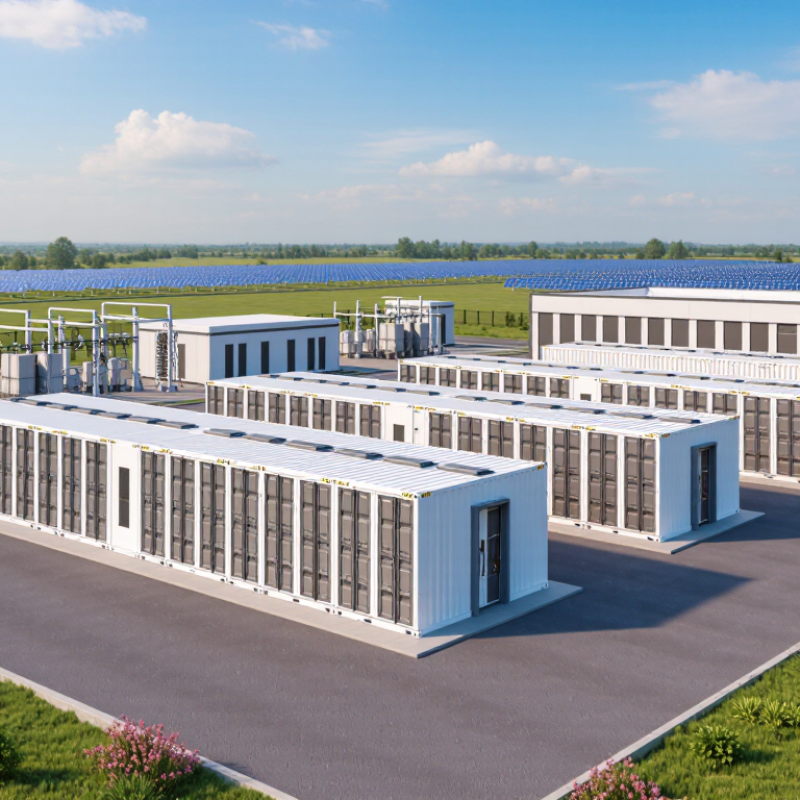
What Defines a Power Storage System and Its Global Applications
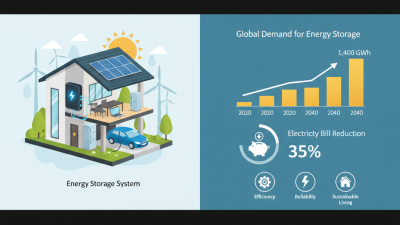
A power storage system captures electricity, holds it, and releases it when demand rises. It usually combines batteries, Inverters, controls, safety devices, and monitoring software.Solar Power Systems With Battery Storage can store midday sunlight for evening cooking, lighting, or small business equipment. The battery is only one part of the system.
Global applications vary with climate, grid quality, and user needs. In rural areas, storage can support clinics, water pumps, and telecommunications equipment. In cities, it can reduce peak-hour electricity costs and provide backup during short outages. Cold regions may require insulated battery rooms, while hot regions need careful ventilation and thermal control. These details affect performance more than many sales brochures admit.
Reliable selection begins with measured electricity data, not guesses. Buyers should compare usable capacity, round-trip efficiency, cycle life, warranty terms, and maintenance access. Qualified technicians must check wiring, fire protection, grounding, and local grid requirements. Field assessments often reveal an uncomfortable truth: an oversized battery may waste money, while an undersized system disappoints users. No design is perfect. Weather forecasts can be wrong, usage can change, and monitoring data may be incomplete. A practical system therefore needs clear operating limits, regular inspections, and a replacement plan for aging components.
Top 10 Power Storage Systems for Global Buyers
A power storage system stores electricity or energy and releases it when needed. The chart compares representative full-power discharge durations for ten widely used storage technologies across grid balancing, renewable integration, backup power, transport, and industrial applications.
Values are representative technology ranges expressed as approximate hours at rated output. Actual duration depends on system design, operating conditions, and project economics. Sources: U.S. Department of Energy, Energy Storage Grand Challenge, and National Renewable Energy Laboratory technology assessments.
How Power Storage Technologies Compare by Capacity and Performance
Comparing power storage systems requires more than ranking their nameplate capacity. A 100 MW system delivering four hours stores 400 MWh. However, usable energy falls after conversion losses, temperature effects, and reserve requirements. The International Energy Agency reported roughly 42 GW of new battery storage additions worldwide in 2023. That growth reflects fast deployment, not universal superiority.
Lithium-ion systems typically provide 85–95% round-trip efficiency and respond within seconds. They suit daily load shifting, frequency control, and solar evening peaks. Their practical duration often ranges from one to four hours. Longer-duration technologies show different strengths. Pumped hydropower can provide many hours or days, while the International Renewable Energy Agency states it still represents over 90% of global installed storage capacity. Flow batteries commonly offer six to twelve hours, with lower fire risk and limited cycle degradation. Their efficiency is usually lower, around 70–85%.
Capacity alone can mislead buyers. The U.S. Department of Energy notes that performance depends on duration, cycling, response time, and degradation. A hot site may deliver less energy than its test certificate suggests. Round-trip efficiency also excludes some site-level losses. This is where comparisons become uncomfortable. A cheaper four-hour battery may outperform a longer system for daily peaks, but fail during multi-day shortages. I would require warranty curves, auxiliary-load figures, and measured data at the installation temperature. Reported values are useful, yet they are not always directly comparable.
Top 10 Power Storage Systems for Global Buyers? - How Power Storage Technologies Compare by Capacity and Performance
| Rank | Storage Technology | Typical System Capacity | Typical Discharge Duration | Round-Trip Efficiency | Response Time | Cycle Life | Best-Fit Applications |
| 1 | Pumped-Storage Hydropower | 100 MW–3 GW | 8–24+ hours | 70–85% | Seconds–minutes | 40–60+ years | Bulk energy shifting, grid balancing, renewable integration and reserve power |
| 2 | Lithium-Ion Battery Energy Storage | 1 MW–500+ MW | 1–8 hours | 85–95% | Milliseconds–seconds | 3,000–10,000 cycles | Frequency regulation, peak shaving, solar and wind firming, microgrids and backup power |
| 3 | Compressed-Air Energy Storage | 10 MW–1 GW | 4–24+ hours | 40–70% | Minutes | 20–40+ years | Long-duration storage, large renewable-energy projects and transmission support |
| 4 | Vanadium Redox Flow Battery | 100 kW–100+ MW | 4–12+ hours | 65–85% | Milliseconds–seconds | 10,000–20,000+ cycles | Daily cycling, renewable integration, commercial facilities and long-duration applications |
| 5 | Molten-Salt Thermal Energy Storage | 50 MW–500 MWe
| 6–15 hours | 35–45%e
| Minutes–hours | 20–30+ years | Concentrated solar power, evening electricity supply and heat-intensive industrial sites |
| 6 | Sodium-Ion Battery Energy Storage | 100 kW–100+ MW | 1–6 hours | 80–92% | Milliseconds–seconds | 3,000–8,000 cycles | Cost-sensitive stationary storage, low-temperature environments and renewable-energy shifting |
| 7 | Lead-Acid Battery Storage | 1 kW–10+ MW | 1–8 hours | 75–85% | Milliseconds–seconds | 500–3,000 cycles | UPS systems, telecommunications, backup power and smaller off-grid installations |
| 8 | Flywheel Energy Storage | 100 kW–20 MW | Seconds–30 minutes | 85–95% | Milliseconds | 100,000–1,000,000+ cycles | Power-quality control, frequency regulation, UPS bridging and rapid industrial load support |
| 9 | Hydrogen Energy Storage | 1 MW–1 GW | Days–months | 25–45%e
| Minutes–hours | System-dependent; equipment life typically 10–30 years | Seasonal storage, industrial feedstock, backup generation and renewable-energy curtailment reduction |
| 10 | Superconducting Magnetic Energy Storage | 100 kW–10 MW | Milliseconds–seconds | 90–98% | Milliseconds | Very high; limited by auxiliary equipment | Voltage stabilization, power-quality improvement and fast grid-transient control |
Notes: Values are representative engineering ranges for utility-scale or commercial systems and vary with design, operating conditions, project size and control strategy. e indicates electricity output after conversion from stored thermal or chemical energy. Round-trip efficiency excludes site-specific transmission losses.
Key Criteria for Evaluating Power Storage Systems Worldwide
Top 10 Power Storage Systems for Global Buyers
Evaluating power storage systems requires more than comparing battery capacity. Buyers should examine usable energy, round-trip efficiency, cycle life, and discharge performance. A 100 kWh unit may deliver less energy after conversion losses. Temperature also matters. Systems operating in desert heat or freezing warehouses need effective thermal management. I have seen performance estimates change sharply when ambient conditions were ignored.
Safety deserves close inspection. Look for documented testing, cell monitoring, fire detection, emergency shutdowns, and controlled ventilation. The enclosure should resist dust and moisture where installation conditions demand it. Grid compatibility is equally important. Voltage, frequency, communication protocols, and local interconnection requirements can vary between markets. A technically strong system may still fail during commissioning if its controls are poorly integrated.
Financial evaluation should include installation, maintenance, replacement parts, software, and recycling costs. Warranty terms need careful reading, especially capacity retention and response times. Service access is practical evidence of reliability. Can technicians reach the site quickly? Are spare components available locally? Independent test reports and verified operating data are more useful than impressive brochures. A perfect comparison rarely exists. I would also question unusually high efficiency claims without a clear testing method. A smaller, well-supported system can sometimes outperform a larger unit with uncertain service.
Top Power Storage Systems for Residential and Commercial Use
Choosing among the top 10 power storage systems requires more than comparing battery capacity. For homes, Solar Power Storage Systems should match daily consumption, roof output, and backup priorities. A 10 kWh unit may support lighting, refrigeration, internet equipment, and a small pump overnight. It may not run electric heating for long. Measure real loads, not advertised dreams.
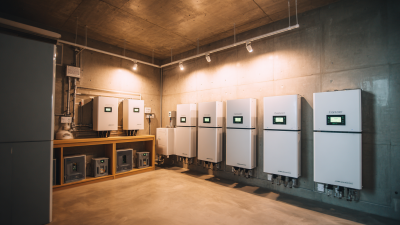
For commercial sites, usable energy, peak-shaving control, and expansion options matter more. A workshop may need 50 kWh for evening tools, while a small office may need less. Look for lithium iron phosphate cells, temperature monitoring, certified inverters, and documented safety testing. A qualified installer should calculate cable sizes, ventilation, fire separation, and local grid requirements. These details protect performance over many years.
Installation experience often reveals the gap between a spreadsheet and a working system. Keep batteries away from flood-prone corners and direct afternoon heat. Leave service access around the enclosure. Check whether the system can operate during an outage without back-feeding the grid. That mistake can create serious danger. Review warranty exclusions, software access, replacement procedures, and recycling arrangements before signing. The cheapest system can become expensive after one failed controller. Still, predictions remain imperfect. Weather changes, family habits shift, and businesses add equipment. Recheck the load every season.
Leading Grid-Scale Power Storage Systems and Their Features
Top 10 Power Storage Systems for Global Buyers
Leading grid-scale power storage systems now combine high energy density, rapid response, and dependable safety controls. The International Energy Agency’s Batteries and Secure Energy Transitions report (2024) states that global energy storage capacity must expand sixfold by 2030. This pressure is reshaping procurement decisions.
Lithium iron phosphate systems remain popular for four-hour projects because they offer strong cycle performance and reduced thermal risk. Flow batteries suit longer durations, especially where daily discharge exceeds six hours. Pumped hydro still provides large-scale capacity, but suitable sites and permits can limit deployment. Thermal storage also supports solar plants by shifting heat into evening demand. Energy Storage Systems For Solar Power should include an energy management system, weather forecasting, and automatic dispatch controls. These details affect real revenue.
The National Renewable Energy Laboratory’s Annual Technology Baseline tracks falling battery costs, while Lazard’s Levelized Cost of Storage report compares duration, efficiency, and operating expenses. Buyers should examine round-trip efficiency, degradation warranties, grid-forming capability, black-start support, and fire protection. A low purchase price can hide replacement costs. It happens often. I would also question optimistic availability claims without local operating records. System design must reflect heat, dust, weak grids, and changing market rules. A storage plant that performs well in a cool test yard may struggle beside a hot desert solar field.
Safety, Cost, Maintenance, and Sustainability Considerations
Top 10 Power Storage Systems for Global Buyers
Electric Power Storage Systems should be judged by safety, cost, maintenance, and sustainability. Capacity alone can mislead buyers. Safety comes first. Look for layered protection, thermal monitoring, fire detection, and clear emergency shutdown procedures. During site inspections, technicians should check cable spacing, ventilation, enclosure seals, and alarm records. A cabinet beside a dusty road needs different protection than one inside a clean warehouse.
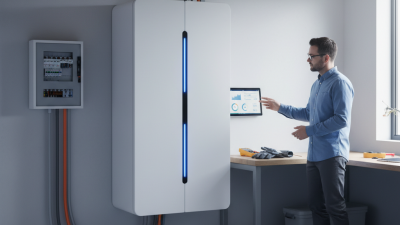
Total cost includes installation, software, cooling, replacement parts, and downtime. A cheaper system may require frequent filter changes or specialist service visits. Request five-year maintenance estimates, not only purchase prices. Maintenance is measurable. Review service intervals, remote diagnostics, spare-part availability, and technician training. Small screens and unclear alerts can create expensive delays. I have seen projects underestimate winter heating and summer cooling loads. That mistake deserves more attention.
Sustainability requires more than recyclable packaging. Buyers should examine efficiency during partial loads, battery lifespan, material sourcing, and end-of-life recovery plans. Salt air matters. Coastal installations may need stronger corrosion control, increasing both cost and maintenance. Local climate data should shape the design. No ranking survives every site. A practical assessment should compare safety evidence, operating records, warranty limits, and independent testing. Some assumptions will be wrong, especially when usage patterns change. Review them annually.
Air-Cooled Hybrid BESS 20ft Energy Storage Container: Features, Applications, and Selection Guide
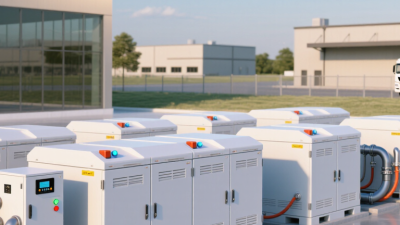
An air-cooled hybrid BESS 20ft energy storage container is a modular power supply system that integrates lithium batteries with a modular power conversion system (MPCS). With a nominal voltage of 768V and rated energy of 1MWh, it supports a working voltage range of 600–876V. The air-cooling design helps manage operating temperature while simplifying system maintenance and avoiding the complexity of liquid cooling. Its 6058 × 2438 × 2591 mm enclosure is suitable for containerized deployment, and the IP54 protection grade provides resistance to dust and water exposure in typical outdoor environments.
This system can support renewable energy integration, peak shaving, load shifting, microgrids, backup power, and commercial or industrial energy management. A cycle life of more than 8,000 cycles is suitable for applications requiring frequent charging and discharging, while operation at altitudes up to 3,000 meters expands its installation flexibility. When selecting a unit, users should assess required energy capacity, power demand, site climate, grid conditions, installation space, fire safety arrangements, and communication compatibility. The 20ft format can simplify transportation and deployment, while intelligent controls help coordinate battery operation and power conversion according to different application scenarios.
For project customization, factors such as control strategy, battery configuration, auxiliary power requirements, monitoring functions, and integration with photovoltaic or grid systems should be confirmed in advance. OEM and ODM services are available, with a five-year warranty option to support long-term project planning.
FAQS
It stores electricity and releases it when demand rises. Batteries are only one part. Inverters, controls, safety devices, and monitoring software also matter.
It can save midday solar energy for evening lights, cooking, refrigeration, internet equipment, or a small pump. A 10 kWh unit may not run electric heating overnight. Real household loads matter more than hopeful estimates.
Record daily consumption, peak loads, outage needs, and seasonal changes. Compare usable energy, not just nameplate capacity. An oversized battery wastes money, while an undersized one frustrates users.
Lithium-ion systems usually respond within seconds and reach about 85–95% round-trip efficiency. Pumped hydropower can support much longer periods. Flow batteries often provide six to twelve hours, but efficiency may be lower. No option wins everywhere.
No. Conversion losses, temperature, reserve settings, and auxiliary equipment reduce usable output. A 100 MW system operating for four hours represents 400 MWh before those losses. That simple figure can mislead.
Hot locations need ventilation and thermal control. Cold locations may need insulated battery rooms. Keep enclosures away from flooding and direct afternoon heat. Weather and usage predictions can still be wrong.
Qualified technicians should inspect wiring, grounding, cable sizes, ventilation, fire separation, and grid requirements. The system must prevent electricity from back-feeding an outage-affected grid. Leave service space around the enclosure. Small oversights can become serious.
Review cycle-life curves, temperature conditions, software access, maintenance access, replacement procedures, and recycling arrangements. Schedule regular inspections and recheck loads each season. Monitoring data may be incomplete, so do not trust every screen blindly.
Conclusion
Power Storage Systems play a vital role in storing electricity and delivering it when and where it is needed. They support homes, businesses, renewable energy projects, and power grids by improving energy reliability, reducing peak-demand costs, and balancing fluctuations from solar and wind generation. Different technologies vary in capacity, response speed, efficiency, lifespan, and suitability for short- or long-duration applications. Evaluating these systems requires careful consideration of energy output, installation conditions, scalability, operating costs, maintenance needs, and environmental impact.
For residential and commercial users, compact systems can provide backup power, load management, and greater energy independence. Grid-scale solutions are designed for frequency regulation, peak shaving, renewable integration, and emergency support, often combining high capacity with advanced monitoring and control. Safety remains essential, including thermal management, protective controls, proper installation, and responsible end-of-life handling. By comparing performance, total ownership cost, durability, sustainability, and local requirements, global buyers can select a power storage solution that matches their energy goals and operating conditions.