
Sodium-ion Battery Sector: Calm on Surface, Boiling Underneath During Holiday Period
Despite flat market pricing, every segment across the sodium-ion Battery supply chain kept production and construction ongoing. Cathode material manufacturers adopted staggered production schedules. Selected production lines carried out planned maintenance during the holiday, while outsourced manufacturing partnerships ensured delivery commitments for key global customers. Construction of multi-thousand-ton new production lines continues on schedule.
On the anode material side, multiple suppliers are finalizing commissioning for newly built production lines. Mass production is targeted for late October, with bulk cell shipments available from mid-November. Pricing for raw feedstock remains consistent; phosphorus-based materials, bamboo carbon and coconut shell carbon maintain the pre-holiday price trend. Instead of pausing operations, the entire sodium-ion battery value chain shifted to staggered manufacturing to secure continuous product supply.
0.6 CNY/Wh: Transitional Market Benchmark, Wide Cost Differences Across Sodium-Ion Cell Technologies
The 0.6 CNY/Wh price point has become the most watched benchmark within the sodium battery market. For reference, mainstream LFP lithium iron phosphate Battery Cells trade around 0.4 CNY/Wh, creating a temporary price gap between sodium-ion batteries and lithium iron phosphate cells. Market pricing bands show lithium cells range from 0.3–0.5 CNY/Wh, while sodium-ion battery cells sit within 0.5–0.7 CNY/Wh. Some industry observers question the commercial viability of sodium-ion technology based on this gap, but this represents only a temporary transitional market status.
From a cost trend perspective, sodium-ion battery production costs are on a sustained downward path. In 2025, layered oxide sodium-ion cells averaged 0.55–0.6 CNY/Wh, while polyanion sodium-ion cells were quoted at 0.45–0.55 CNY/Wh. Cost reductions are progressive rather than sudden.
Quotations vary widely by technical route. The latest market data:
- Layered oxide prismatic sodium-ion cells: 0.58–0.64 CNY/Wh
- Polyanion prismatic sodium-ion cells: 0.58–0.63 CNY/Wh
- Ferric sodium sulfate pouch sodium-ion cells: down to 0.45–0.48 CNY/Wh
This shows that 0.6 CNY/Wh is only a transitional benchmark price, not the long-term bottom cost for sodium-ion batteries. Further cost reduction potential exists as manufacturing capacity scales up and production processes are refined.
Tight Supply-Demand Balance: Large Planned Capacity, Time Required for Mass Production Ramp-up
Stable pricing does not stem from weak market demand. The core challenge is that mass production capacity ramps slower than the growth of downstream energy storage and mobility orders.
The sodium-ion battery industry has large volumes of planned production capacity. Industry statistics record multiple sodium-ion battery expansion projects, with high total designed capacity. However, only a portion of this planned capacity has reached commercial operation. Many new factories remain under construction.
Planned capacity must pass equipment commissioning, process validation, third-party product certification and reliability testing before producing deliverable sodium-ion cells. Combined with strong year-end delivery targets for global stationary energy storage projects, this timing gap creates today’s tight supply-demand balance.
This is viewed as a healthy industry stage: it avoids destructive price wars caused by oversupply, while also preventing supply shortages that slow adoption. Stable pricing alongside rising orders preserves R&D budgets for manufacturers to refine sodium-ion cell performance.
Three High-growth Application Markets; Superior Low-Temperature Performance Creates Unique Competitive Advantage
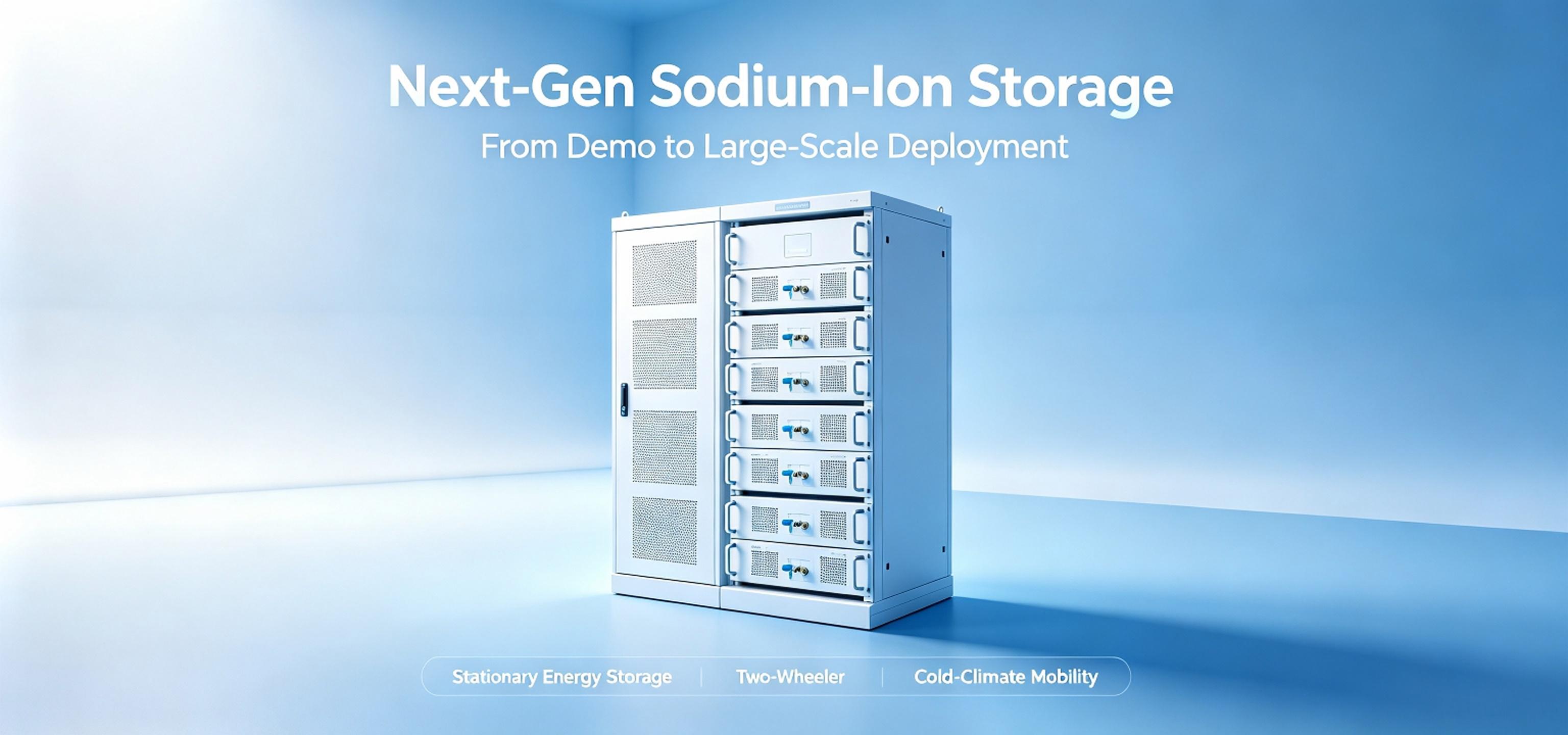
Resilient pricing is backed by real, growing demand across three key sodium-ion battery use cases: stationary energy storage, electric two/three wheelers and small mobility vehicles.
Stationary energy storage is currently the largest commercial market for sodium-ion batteries. Large-scale energy storage deployments are expanding globally, with commercial & industrial energy storage projects targeting Europe, Australia and other overseas regions. Major long-term supply agreements for sodium-ion energy storage have been signed, with initial bulk deliveries scheduled for Q4.
Electric two-wheelers and three-wheelers represent a huge retrofit market. Sodium-ion batteries combine cost benefits similar to lead-acid batteries plus performance advantages of lithium cells, making them an attractive drop-in replacement for the global light electric vehicle sector.
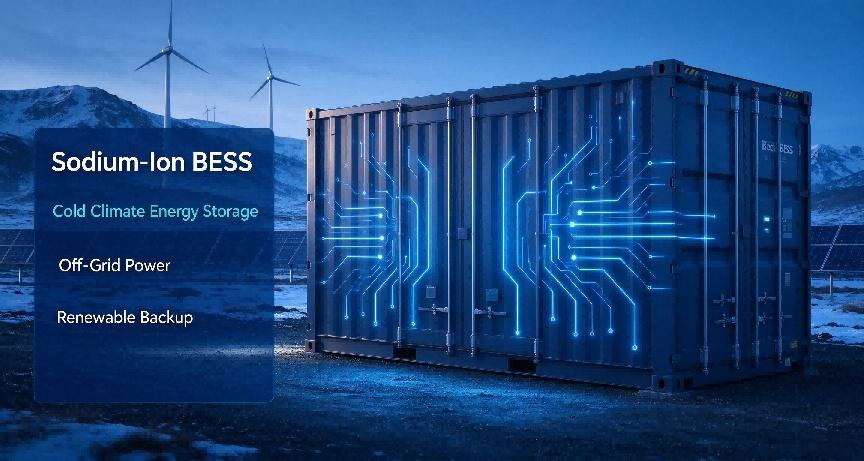
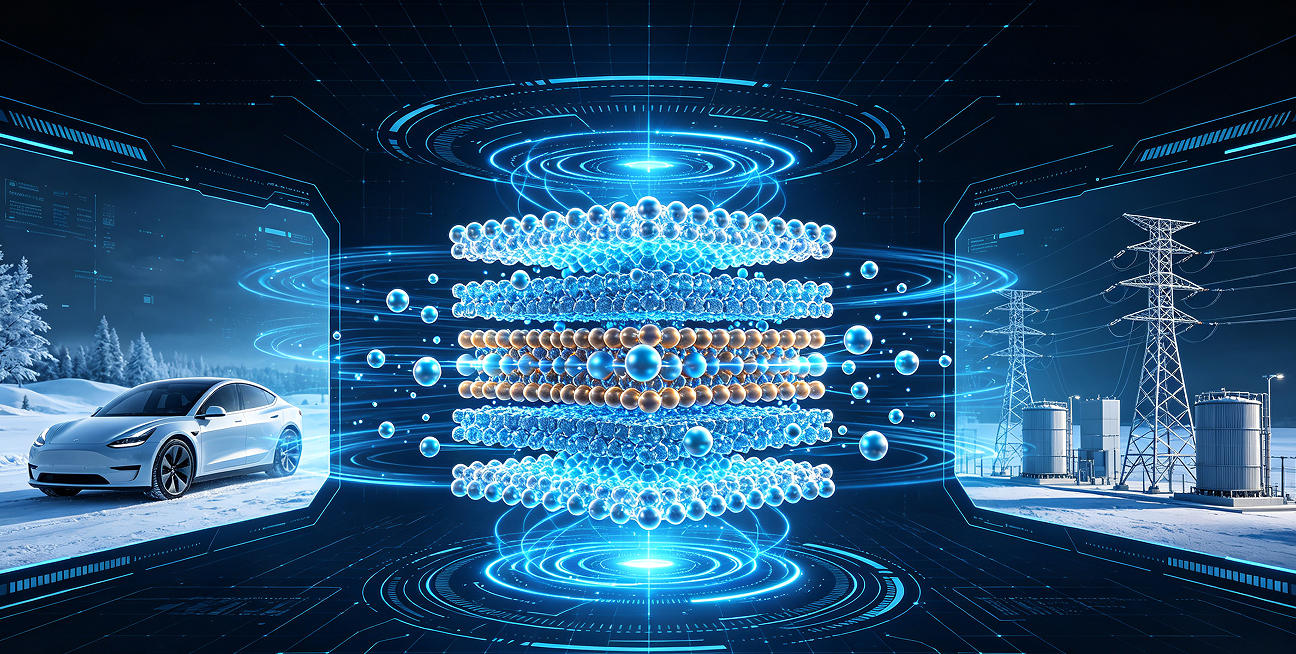
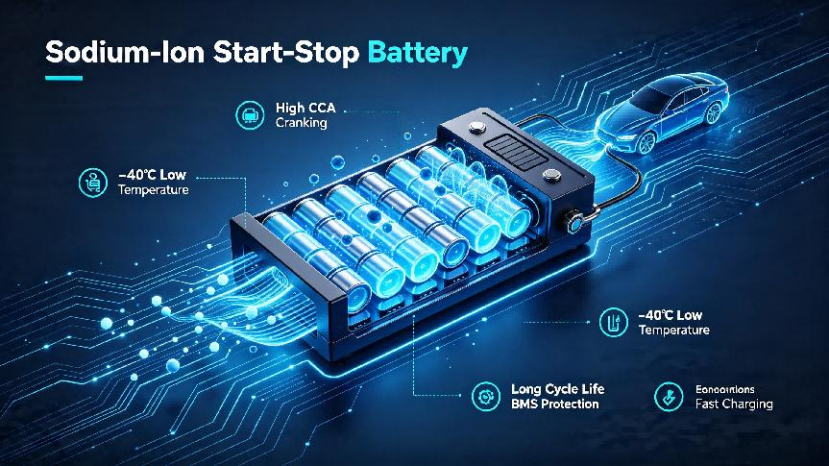
For compact passenger vehicles and engine starter batteries, sodium-ion batteries stand out with excellent low-temperature discharge capability. At -20°C, sodium-ion cells retain 85%–90% discharge capacity, compared to under 70% for standard lithium batteries. This unique performance makes sodium batteries highly suitable for cold climate markets including Northern Europe and cold high-latitude regions.
Global Market Recognition: Sodium-ion Batteries Established as an Independent Energy Storage Technology
Surging commercial orders provide internal momentum for sodium-ion battery adoption. Worldwide industry bodies and standards organizations are developing unified safety and technical specifications for sodium-ion batteries, removing barriers for global deployment.
Favorable tax and investment incentives in key manufacturing regions overlap with the technology scaling cycle. Two global sodium-ion battery energy storage standards are finalized and will be enforced starting March 2027. These standards create consistent evaluation rules covering safety and performance, supporting wider international adoption of sodium-ion energy storage systems.
Three Key Q4 Milestones to Watch for Sodium-ion Battery Market Development
Market participants are focusing on three critical indicators in Q4 to track the sodium-ion battery sector progress:
- Commissioning progress of new anode production lines in late October, which directly defines available sodium-ion cell output in Q4
- Validation progress for 180Ah high-capacity sodium-ion cells. Higher capacity cells will open new opportunities in space-constrained applications
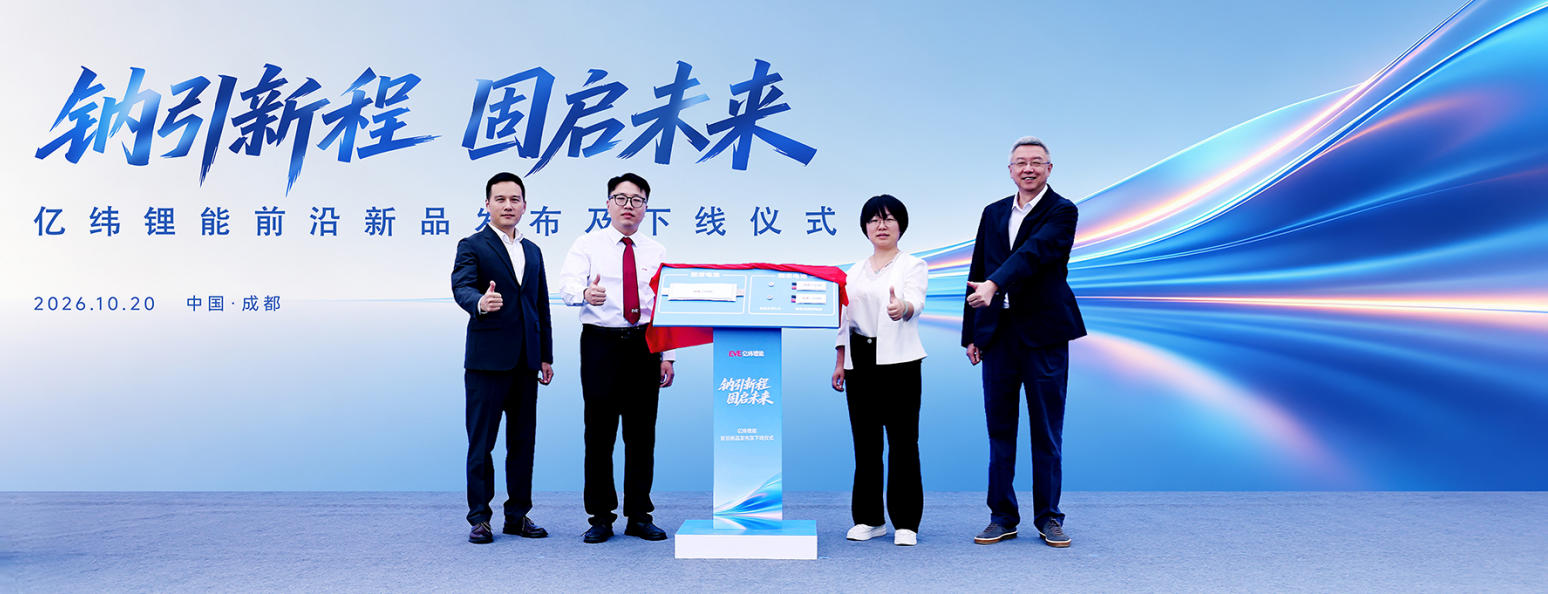
- Actual fulfilment of Q4 customer orders. Major battery makers aim for large-scale sodium-ion mass production in Q4 2026, and the real-world delivery performance will act as a key confidence benchmark for the whole sodium battery industry.
Conclusion
Earlier years of the sodium-ion battery market were dominated by conceptual promotion. In 2026, the industry has entered a tangible commercialization phase: long-term supply contracts, accelerated factory construction and formal global technical standards.
0.6 CNY/Wh is not the final cost target, but the starting point of capacity scaling. As mass production matures, scale economies kick in and technical routes consolidate, industry analysts forecast sodium-ion battery costs could drop below 0.40 CNY/Wh, approaching LFP battery pricing.
At that stage, industry conversations will shift from debating whether sodium-ion batteries can be commercialized, to exploring how to maximize application value for energy storage, light EVs and cold-climate power systems.
While the recent holiday did not change core market fundamentals, Q4 mass cell deliveries are expected to reshape the competitive landscape for sodium-ion batteries worldwide.